
Quick Answer
The messy bun works because it reads as polished and low-effort at the same time, but the technique behind that balance is more specific than it looks. The core trick is the loop, twist the gathered ponytail and wrap it around the base, but on the final pass do not pull the hair all the way through the elastic, leave a loop instead, since that unpulled loop is what creates the bun’s volume and shape.
Everything else, the tugging, the face-framing pieces, the texture spray, is controlled destruction on top of that foundation. This guide breaks the technique down by hair type, thick, thin, short, and curly all need real adjustments, then covers fifteen ways to wear it once the base skill is solid.
A messy bun looks like it took thirty seconds even when it took ten minutes of getting the undone part exactly right, which is the whole appeal and the whole difficulty at once. The gap between a messy bun that reads intentional and one that just looks unfinished usually comes down to one technical detail nobody explains clearly, the loop instead of the full pull-through.
This guide is the deep dive on that technique and its hair-type variations. For the full range of bun styles beyond just the messy category, sleek, braided, wedding-ready, and more, the complete hair bun style roundup lives in bun hairstyles.
This post contains affiliate links. If you buy through these links, I may earn a small commission at no extra cost to you. Images in this post are AI-generated for illustration purposes.
The Loop Technique, Explained
Every genuinely good messy bun, regardless of hair type or final style, builds on the same core move.
1. Gather and secure a ponytail. Crown height for volume, nape height for elegance, the placement decides the mood before the messy part even starts.
2. Twist the length loosely. Hold the ponytail and twist it in one direction until it begins coiling on itself, keeping the tension relaxed rather than tight.
3. Wrap around the base. Continue twisting while wrapping the coiled length around the elastic at the base of the ponytail.
4. Leave a loop on the final pass. This is the step most tutorials skip past too quickly, on the last wrap, do not pull the hair all the way through the elastic. Leave a loop instead, which is what creates the bun’s actual bulk and rounded shape.
5. Pin any loose ends. Secure the tail end and any stray sections with bobby pins placed in different directions for better hold.
6. Tug for texture. Gently pull at sections of the bun to loosen it, think of it as controlled destruction, you want it slightly undone on purpose.
7. Release face-framing pieces. Pull a few strands loose at the temples and tousle them lightly with fingers.
8. Set with a light mist. A flexible-hold hairspray locks the shape without turning it stiff or crunchy.
Master this sequence once and every variation below becomes a small adjustment rather than a new skill.
15 Messy Bun Techniques and Styles to Try in 2026
Every style below runs on the loop technique above, adjusted for hair type, length, or occasion.
1. Classic Messy Bun
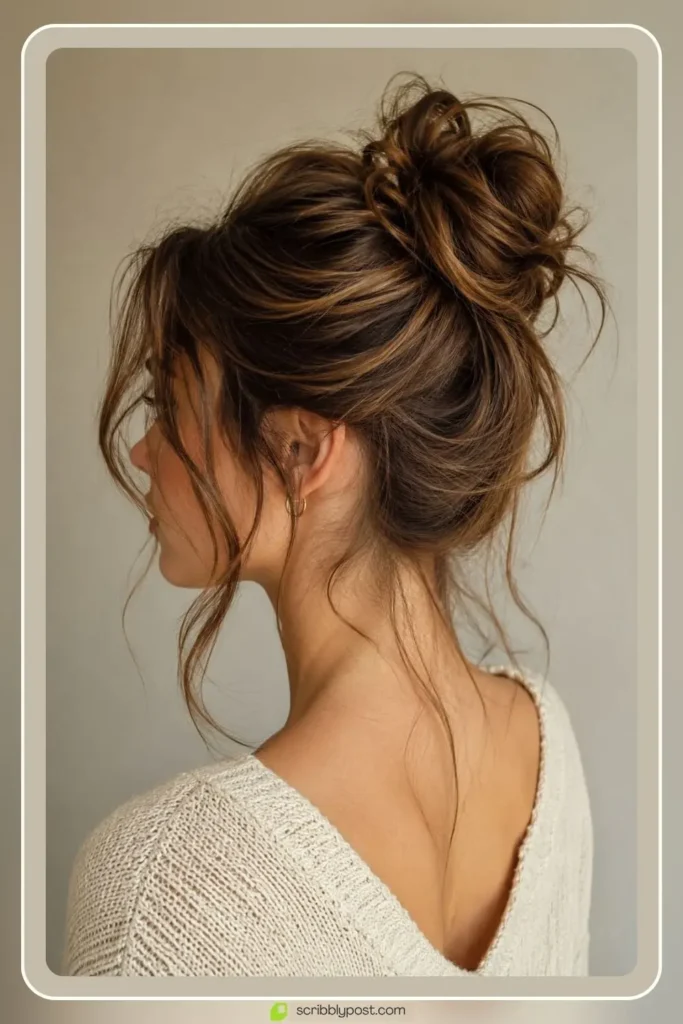
Messy buns in their most basic form use the loop technique at medium crown height, tousled at the edges and left otherwise unfussed. It is the foundation every variation in this list builds from.
Why it works: the loop technique alone builds enough natural volume and looseness that no additional styling step is strictly necessary.
Create the Look
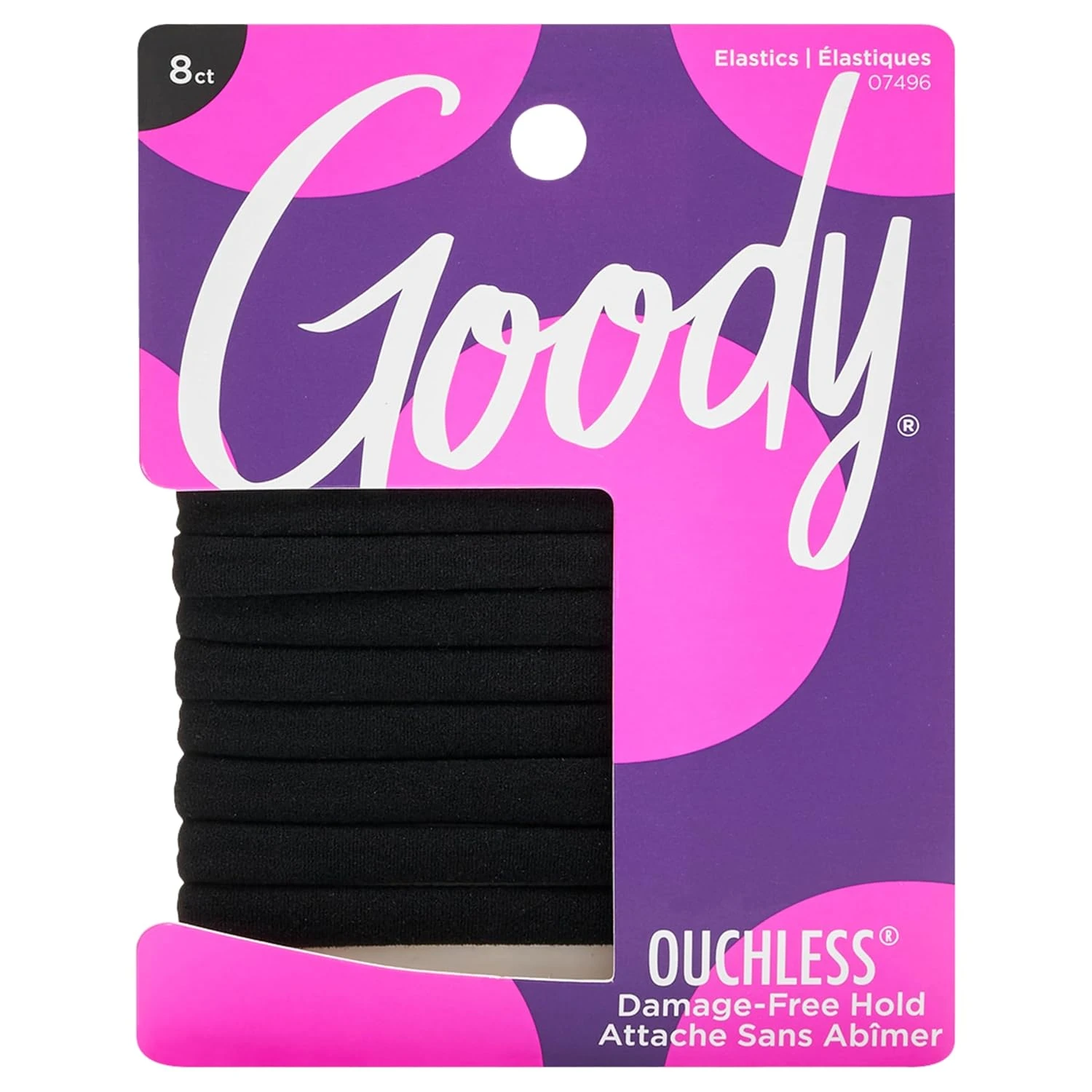
Gentle Hold Hair Ties
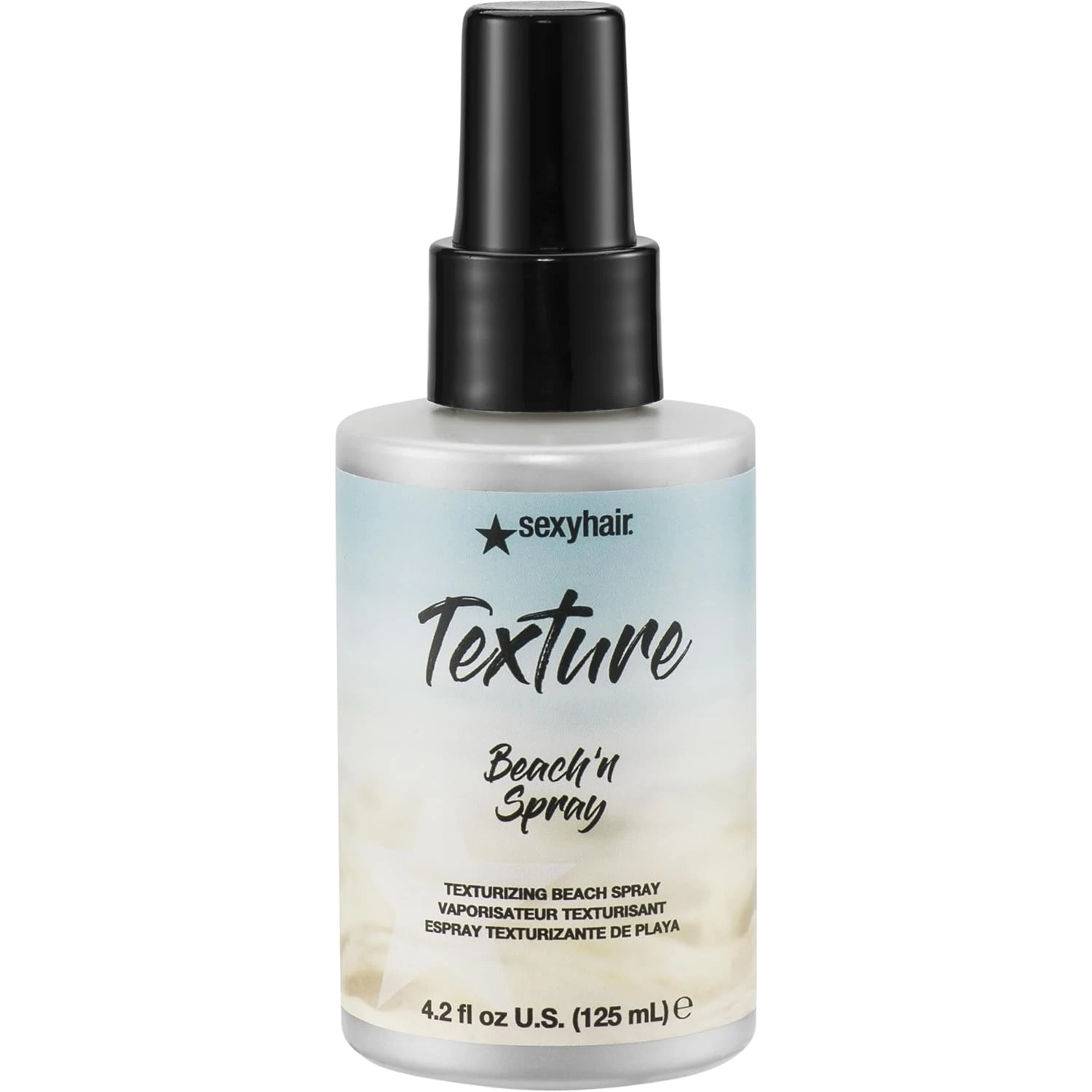
Beach Texture Spray Bun
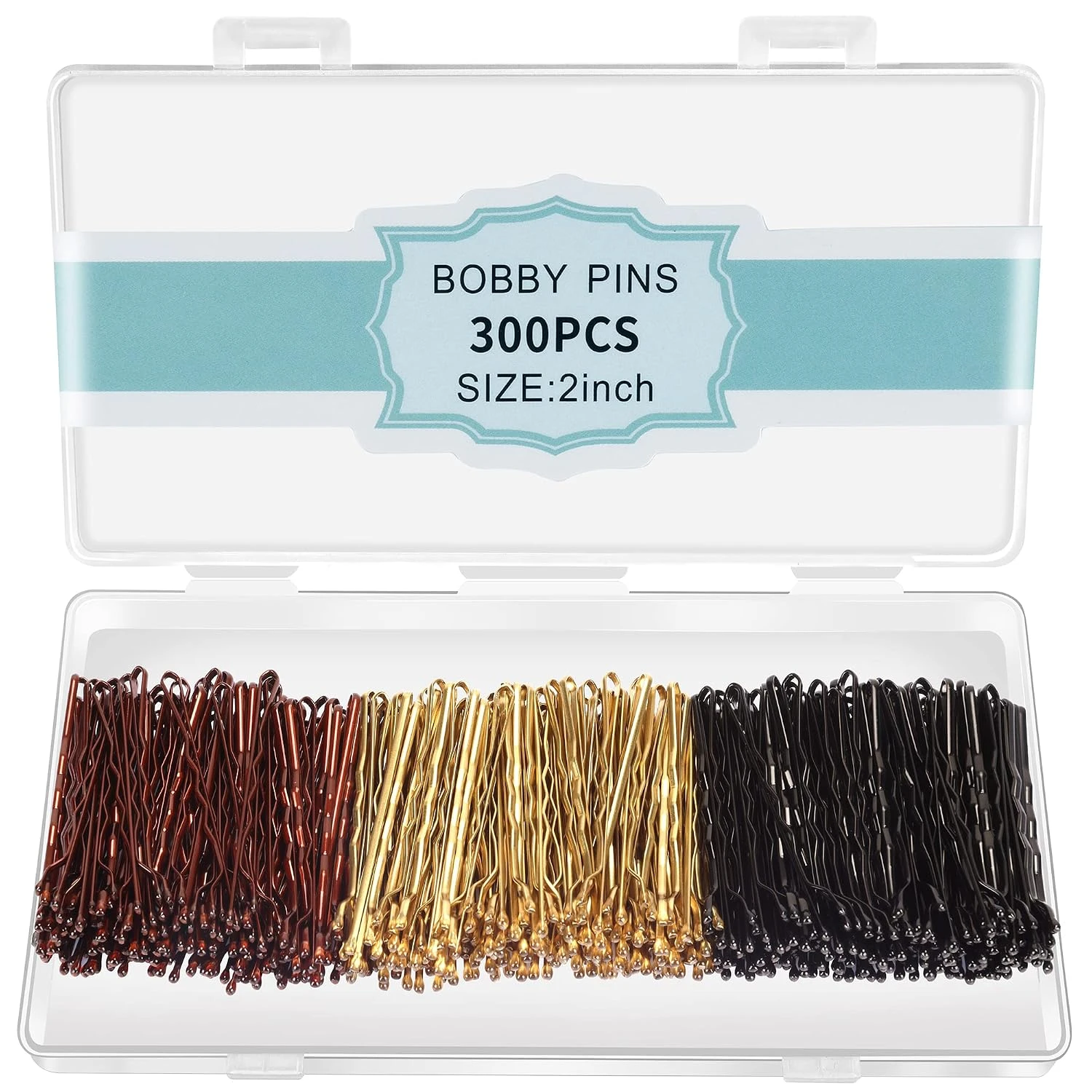
Bobby Pins Matched Color
- Hair type: works on most textures and lengths
- Styling time: five minutes with practice
- Occasion: everyday, errands, casual days
2. Messy High Bun
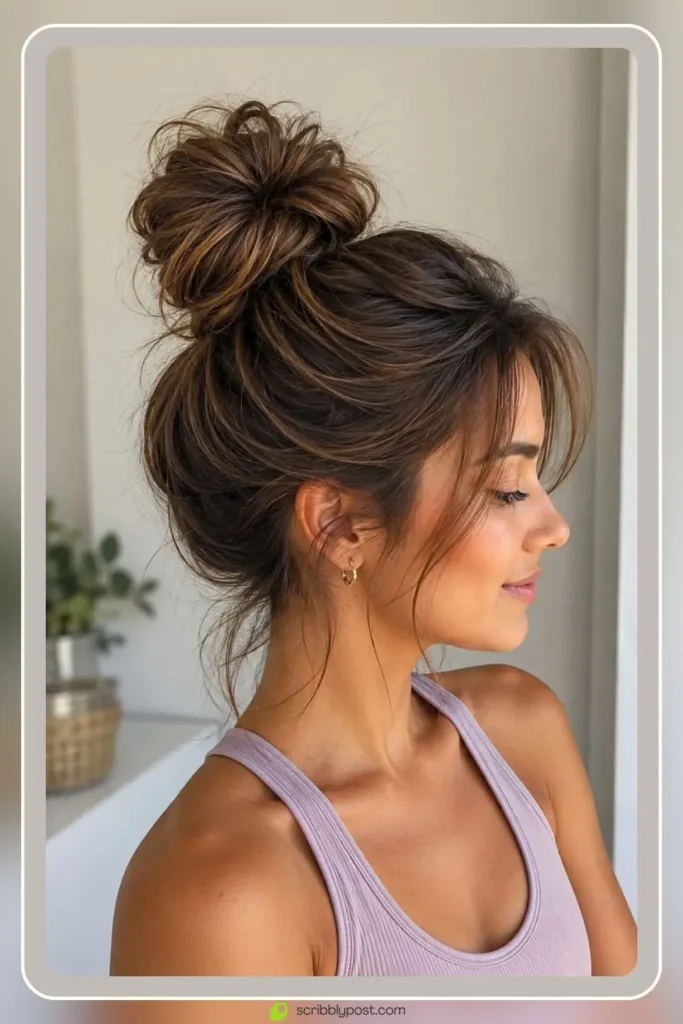
Placing the base ponytail higher on the head rather than closer to the nape gives the bun naturally more volume, since the hair sits nearer the crown and has more structural support underneath it. The height alone does much of the volumizing work.
Why it works: crown placement uses the head’s own shape for support, more visual volume without any extra teasing or product.
Create the Look
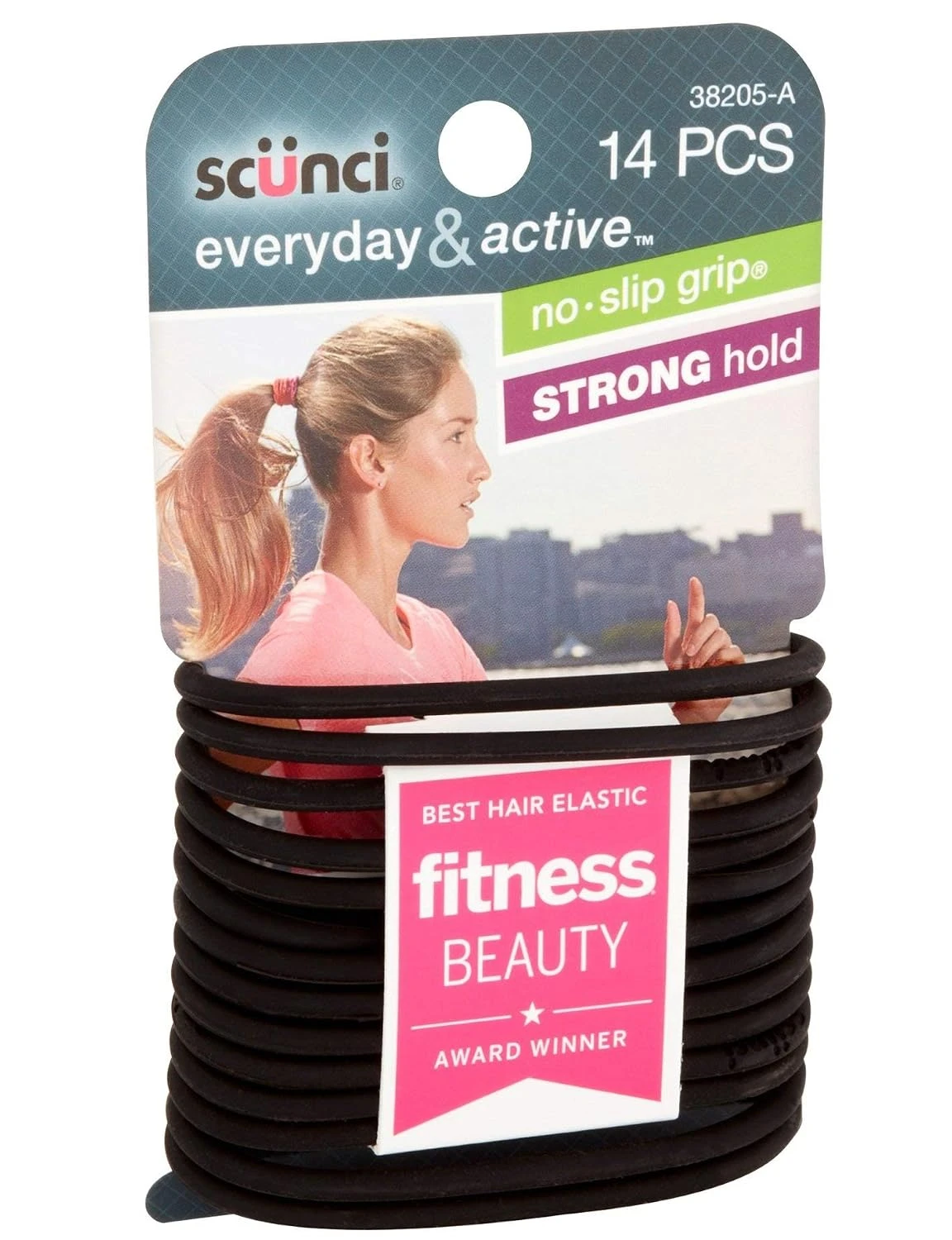
No Slip Ponytail Elastic
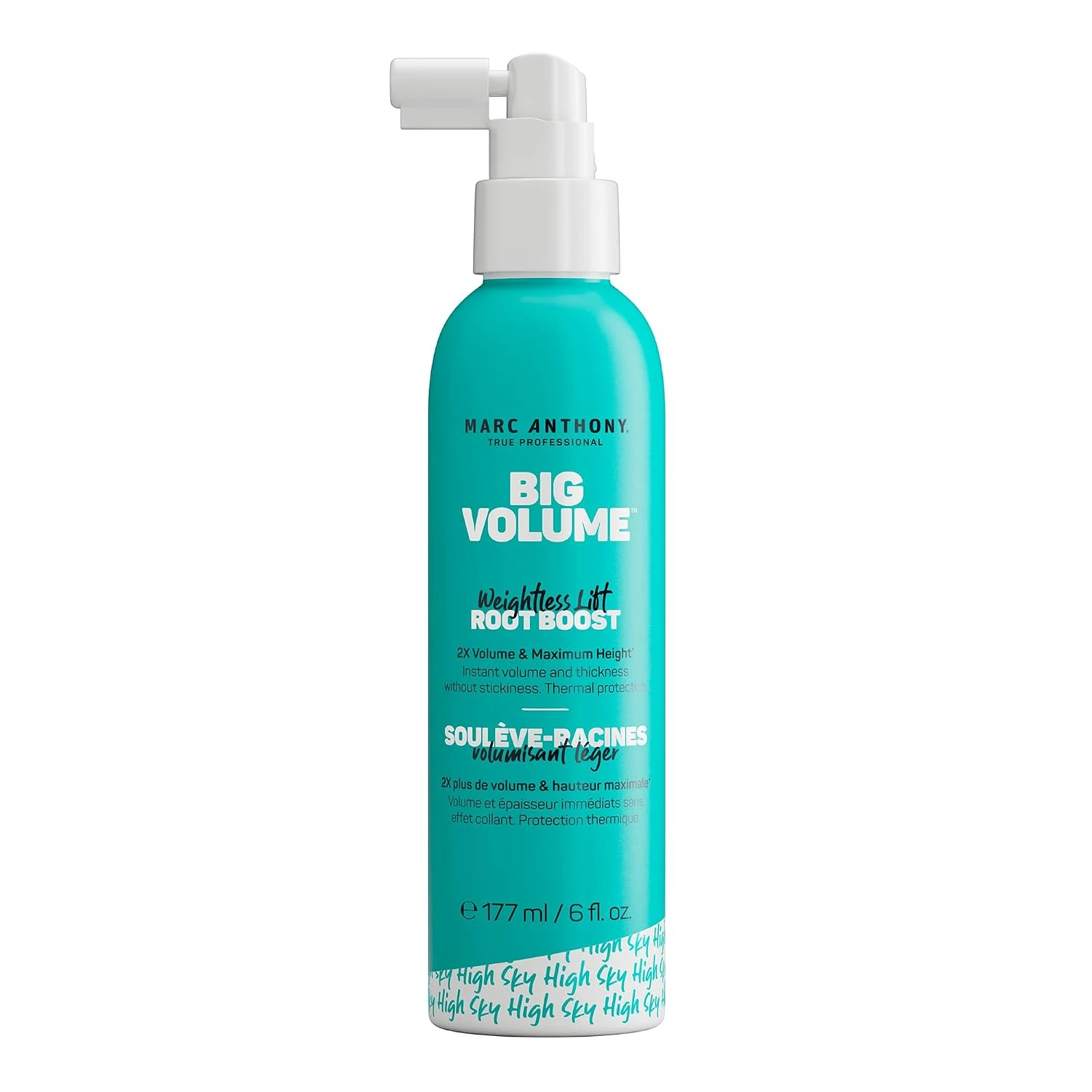
Lightweight Volumizing Spray
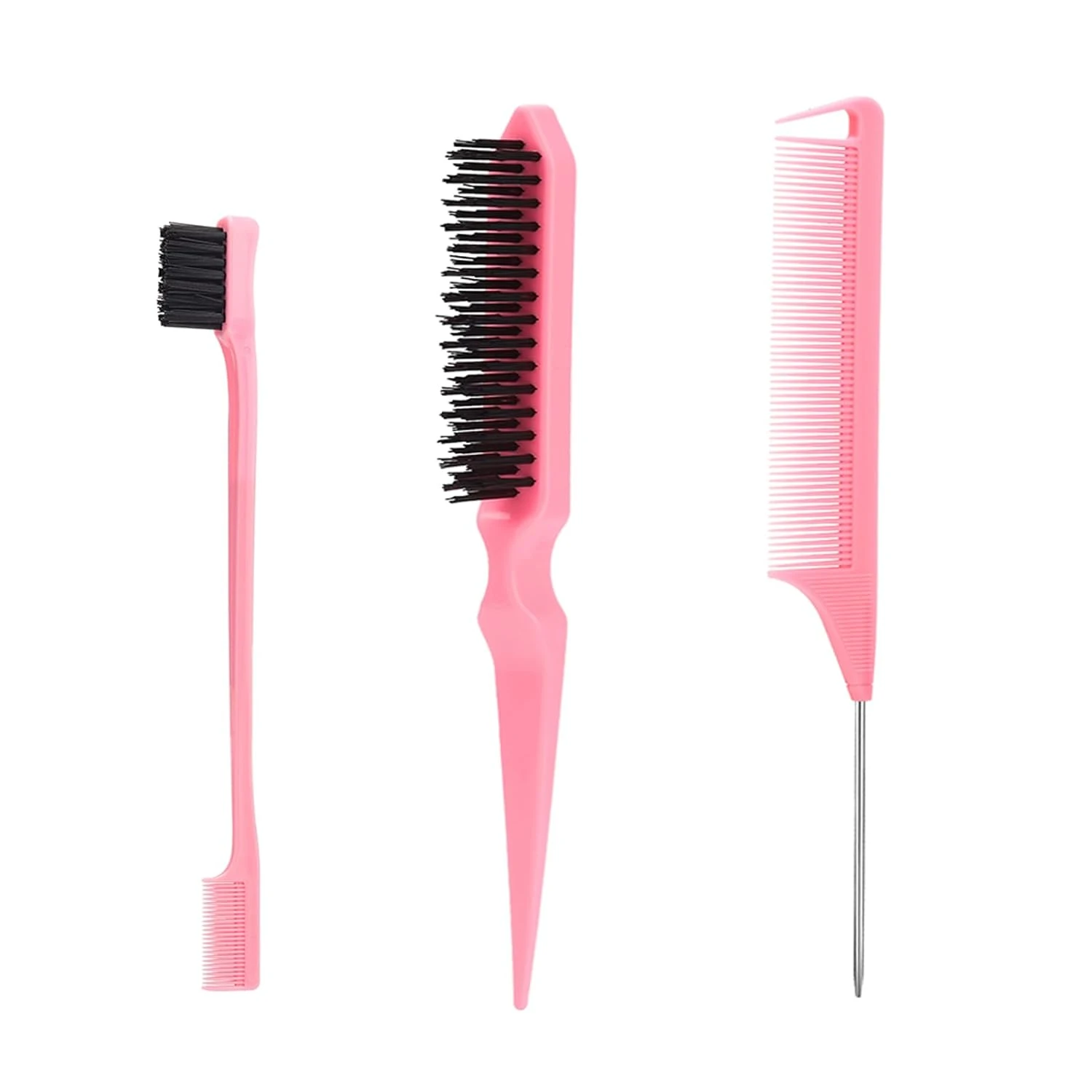
Edge Smoothing Brush Small
- Hair type: any texture, especially flattering with more hair volume
- Styling time: five minutes
- Occasion: workouts, errands, casual days needing extra polish
3. Cute Messy Bun with Bow
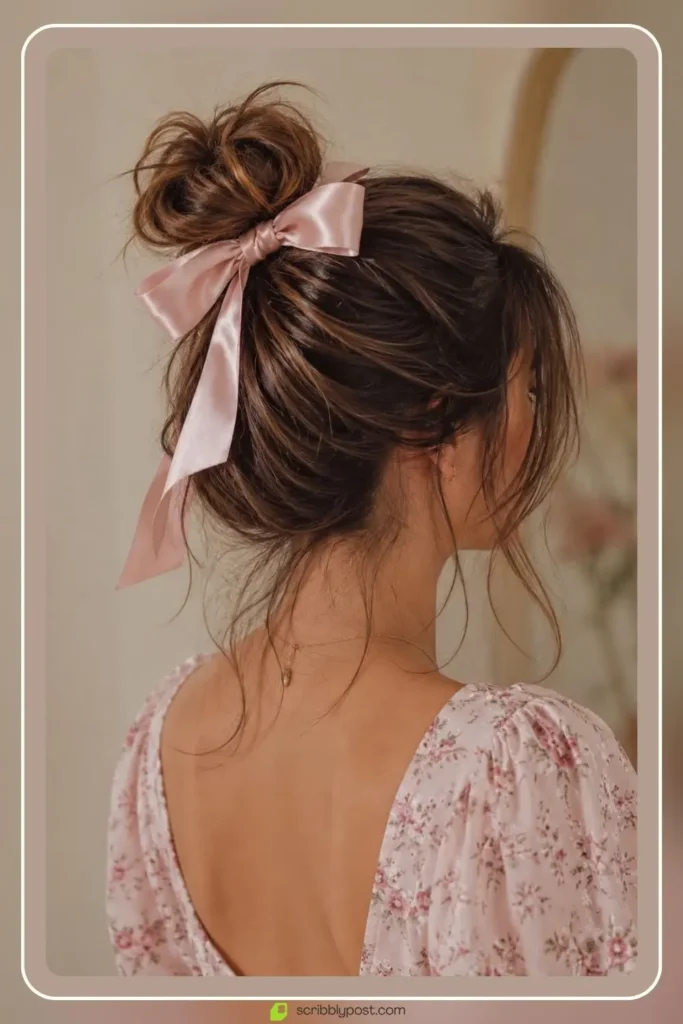
Cute messy buns get their personality from one small addition, a silk ribbon or fabric bow tied directly over the elastic at the base. The technique underneath stays identical to the classic version.
Good to know: silk ribbon holds a crisper bow shape and slides less against hair than cotton alternatives.
Create the Look
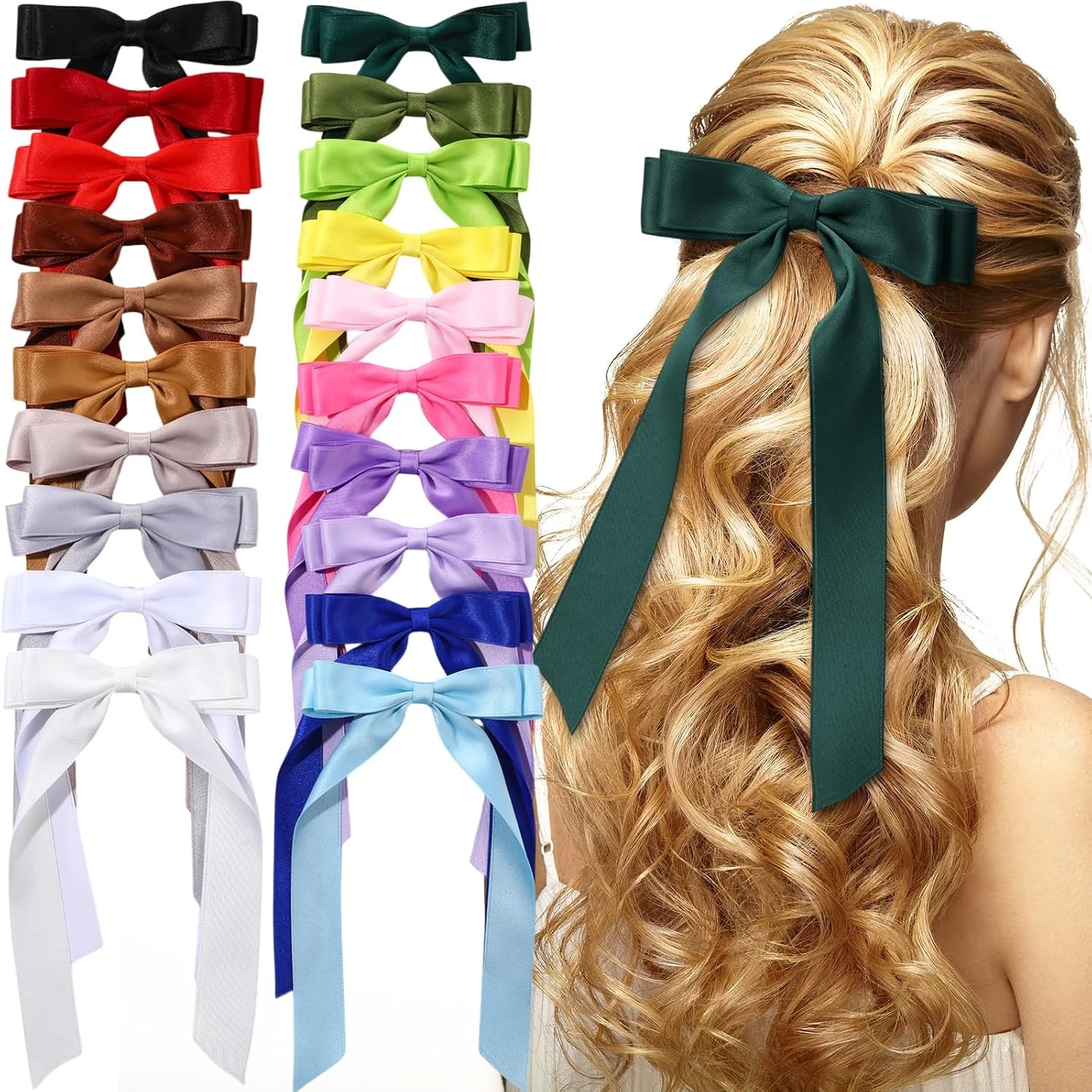
Satin Ribbon Bow Clip
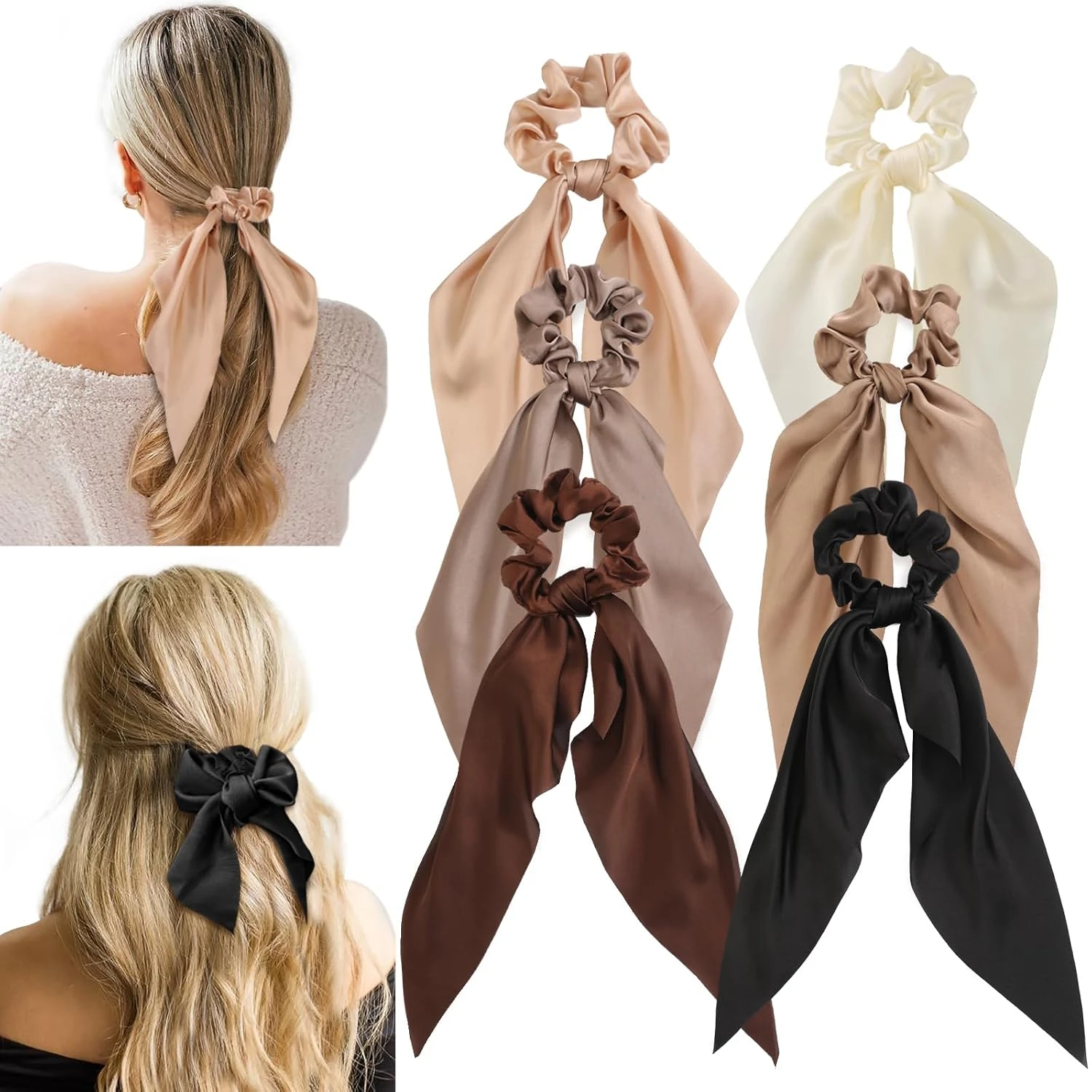
Knotted Bow Scrunchie
Small Elastic Bands Clear
- Hair type: any bun-ready length
- Styling time: five minutes plus the bow
- Occasion: dates, birthdays, casual outings
4. Loose Messy Bun with Bangs
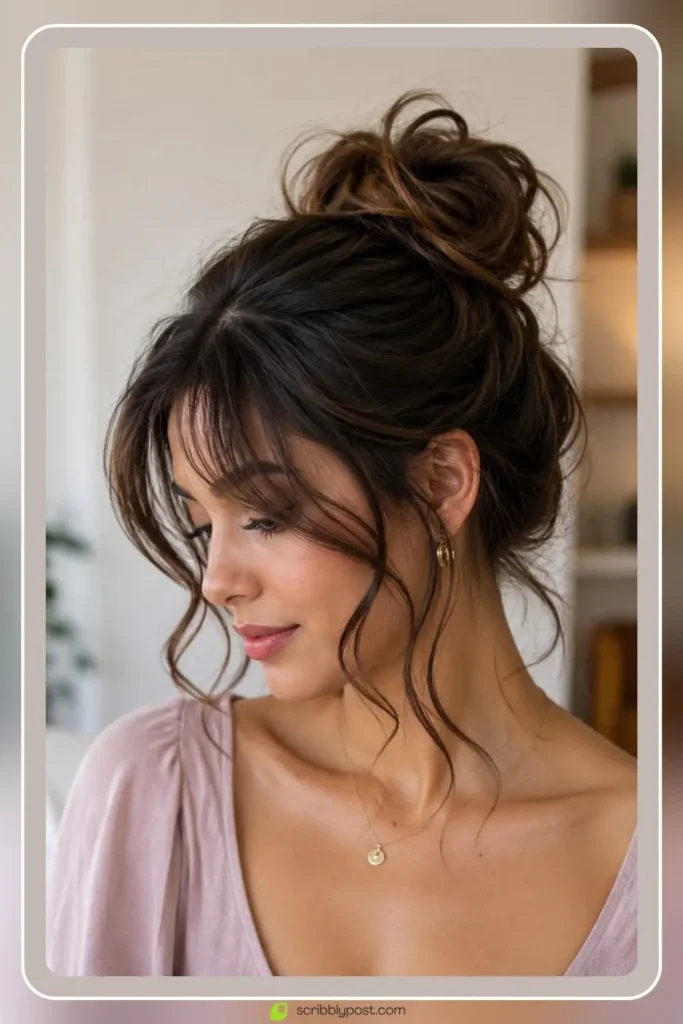
Curling face-framing bangs or tendrils before finishing the bun turns an ordinary messy bun into something considerably more intentional-looking, the kind of deliberate messiness that reads as styled rather than accidental. The contrast between structured face pieces and a loose bun is what sells the effect.
Why it works: perfectly selected, curled face-framing pieces signal deliberate styling even when the bun itself looks completely undone.
Create the Look
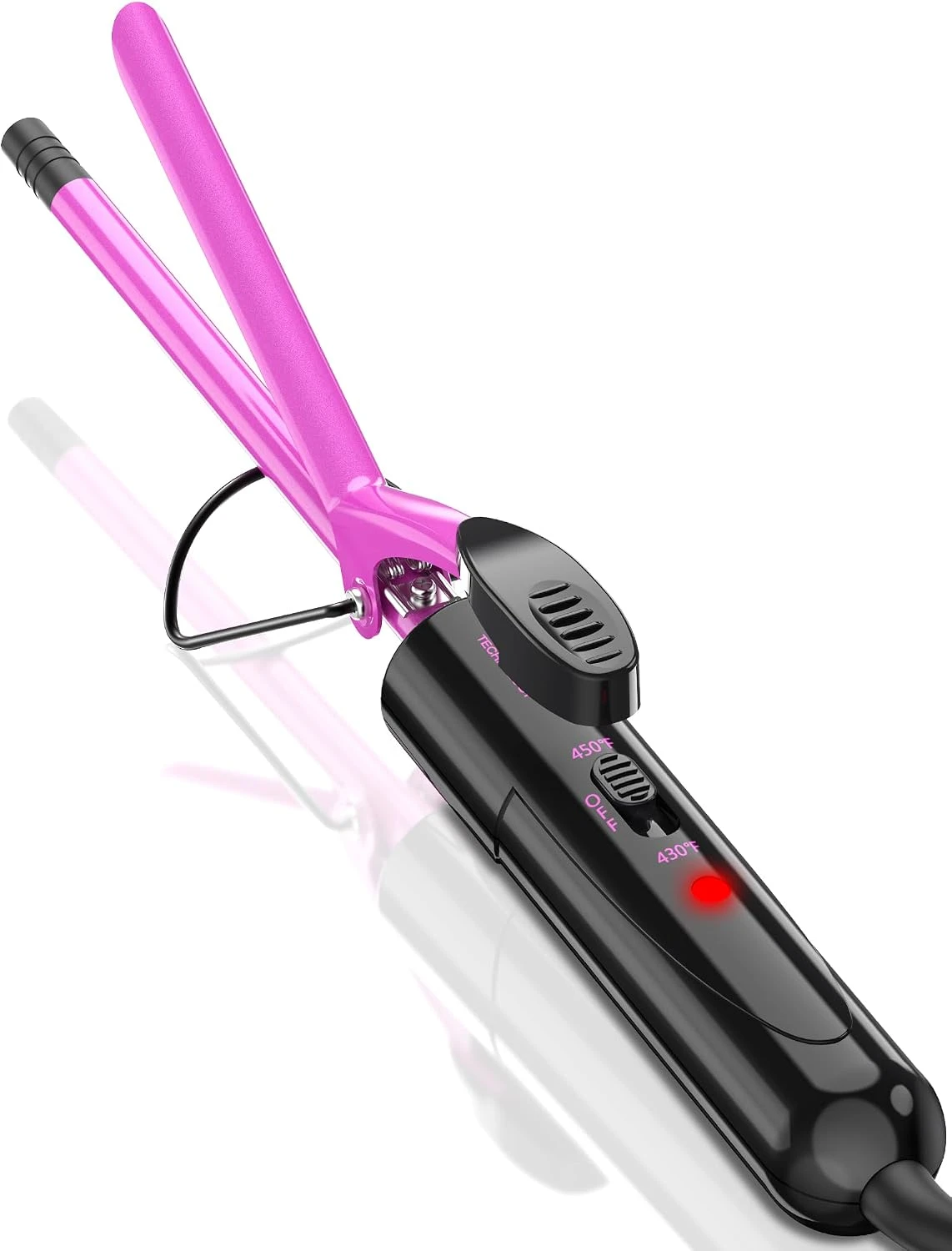
Small Curling Iron Bangs
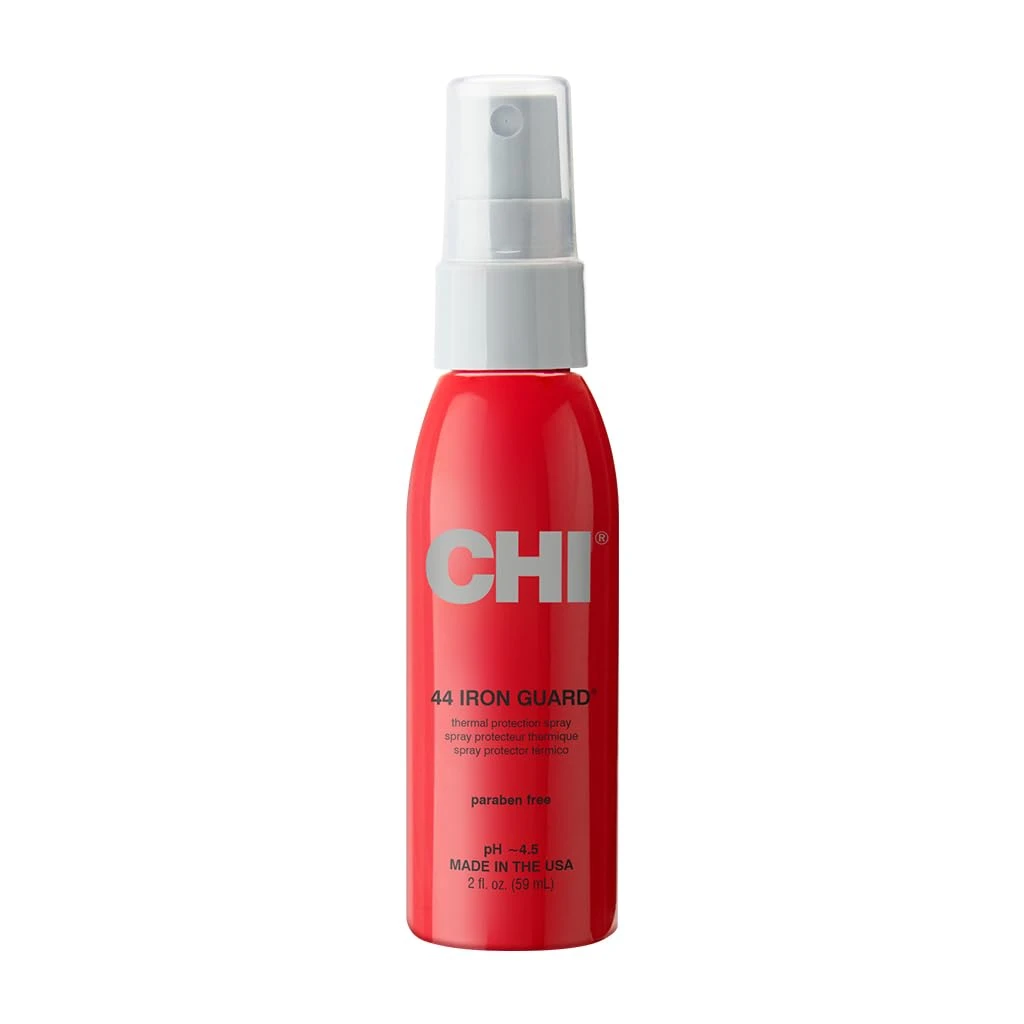
Heat Protectant Spray Light
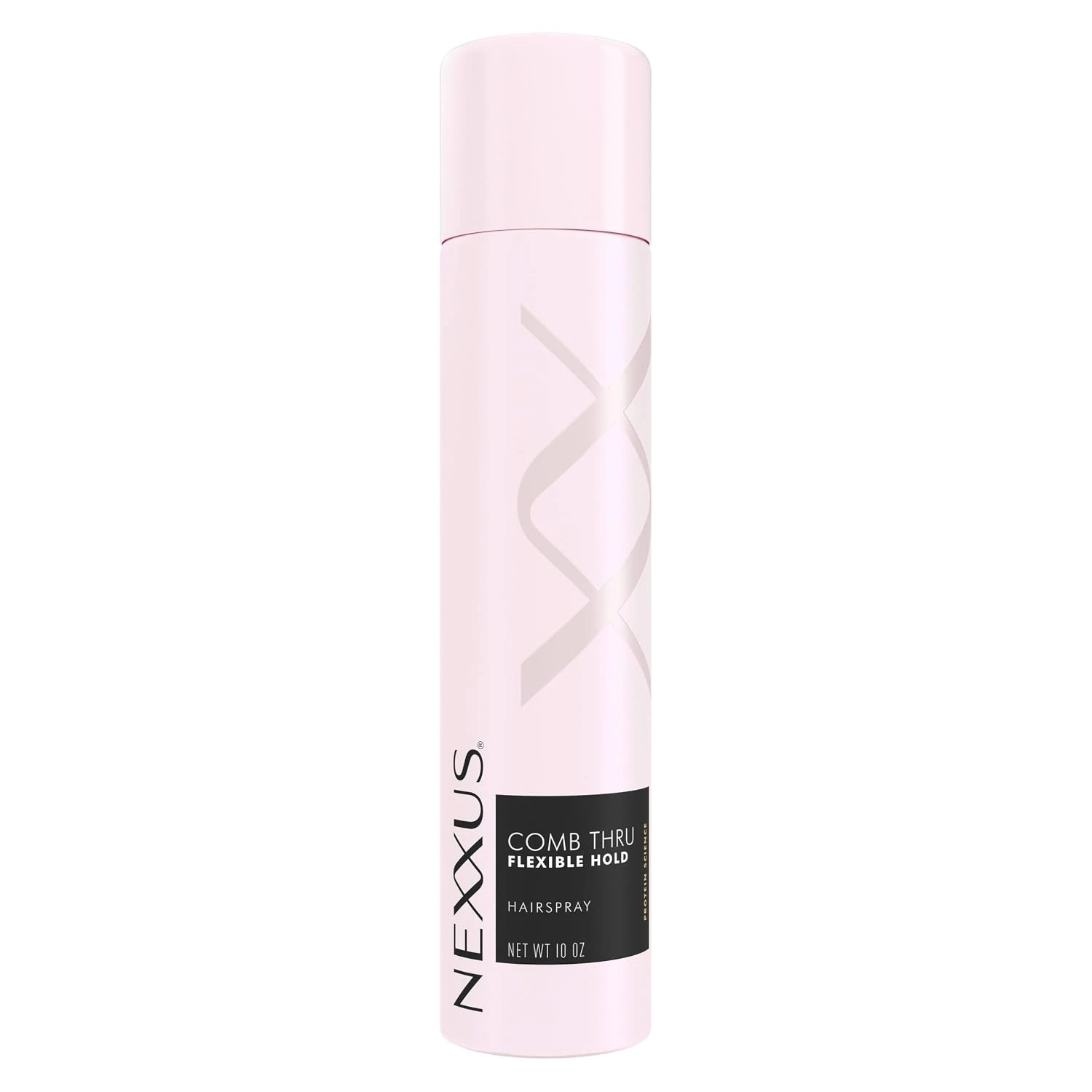
Flexible Hold Hairspray Bangs
- Hair type: works with bangs, curtain fringe, or face-framing layers
- Styling time: ten minutes with a curling iron
- Occasion: dates, evenings, elevated casual
5. Messy Bun for Thick Hair
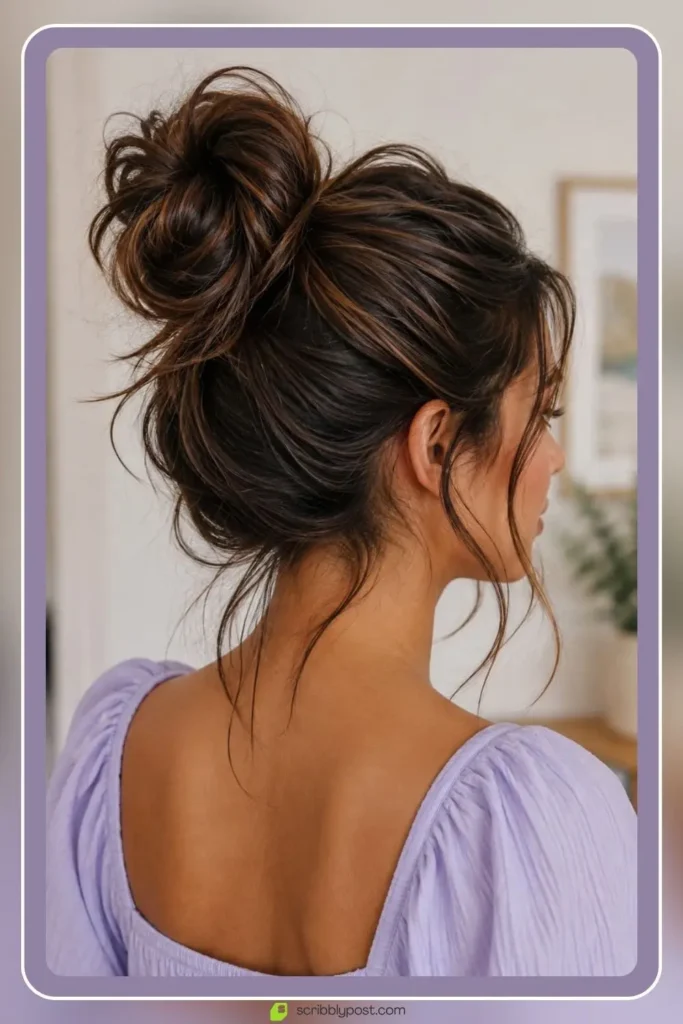
Messy buns for thin hair searchers are usually looking for the opposite problem’s solution, but thick hair needs its own real adjustment too, a looped bun that leaves several inches out at the ends rather than wrapping every strand through the elastic. This prevents standard elastics from breaking or sagging under the extra weight.
Why it works: leaving length out of the initial wrap distributes the weight more evenly, solving the elastic-snapping problem thick hair often runs into.
Create the Look
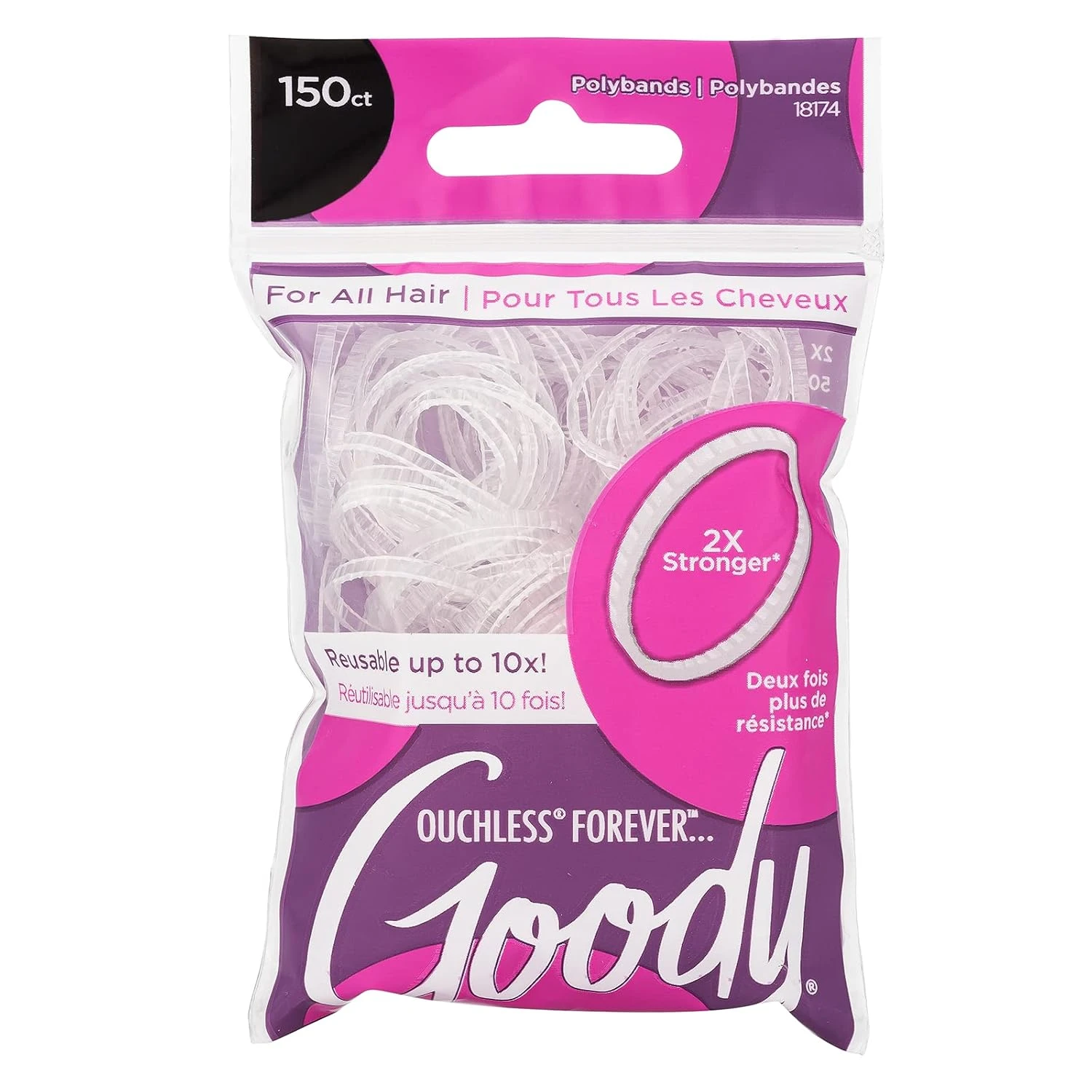
Extra Strong Hair Elastics
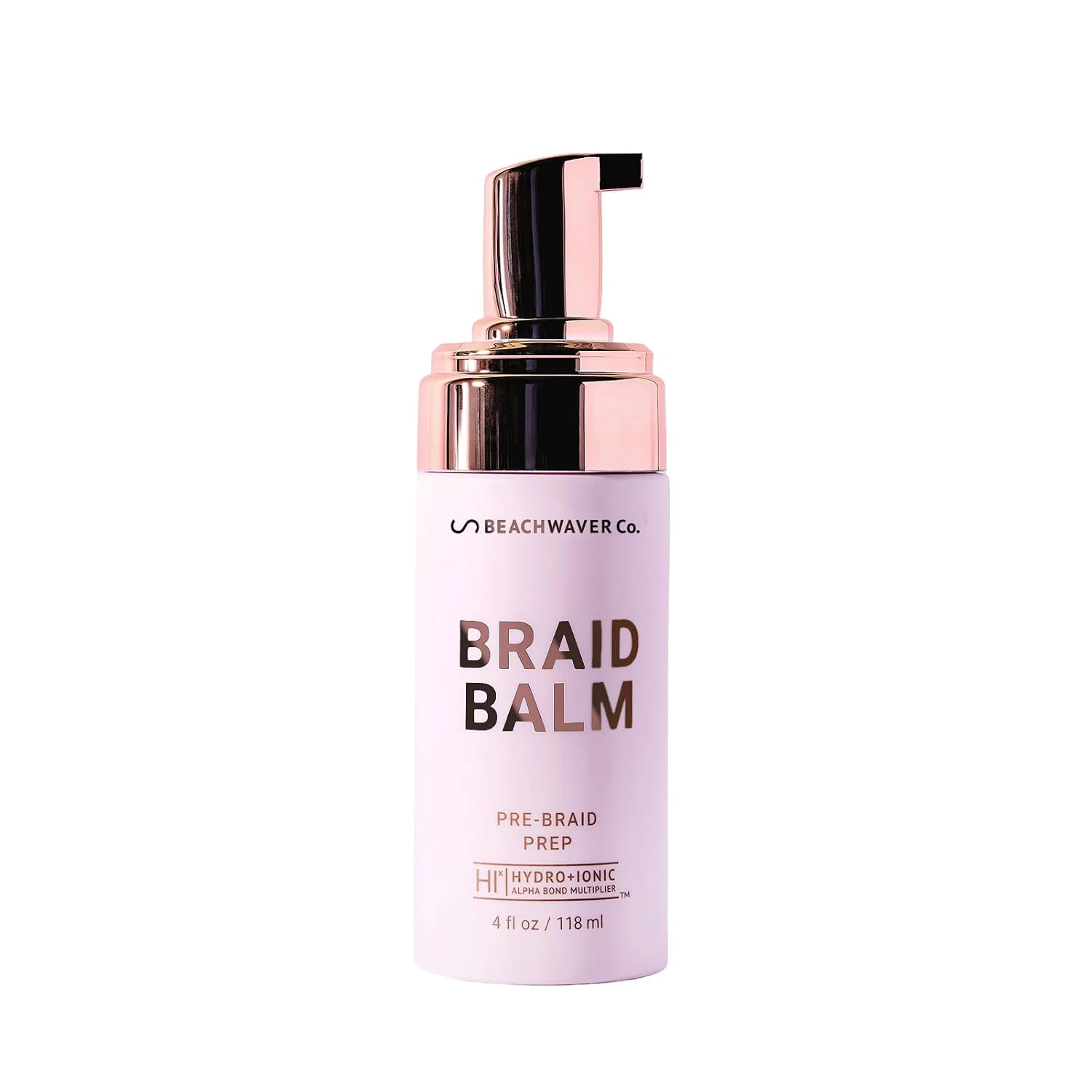
Smoothing Braid Balm Thick
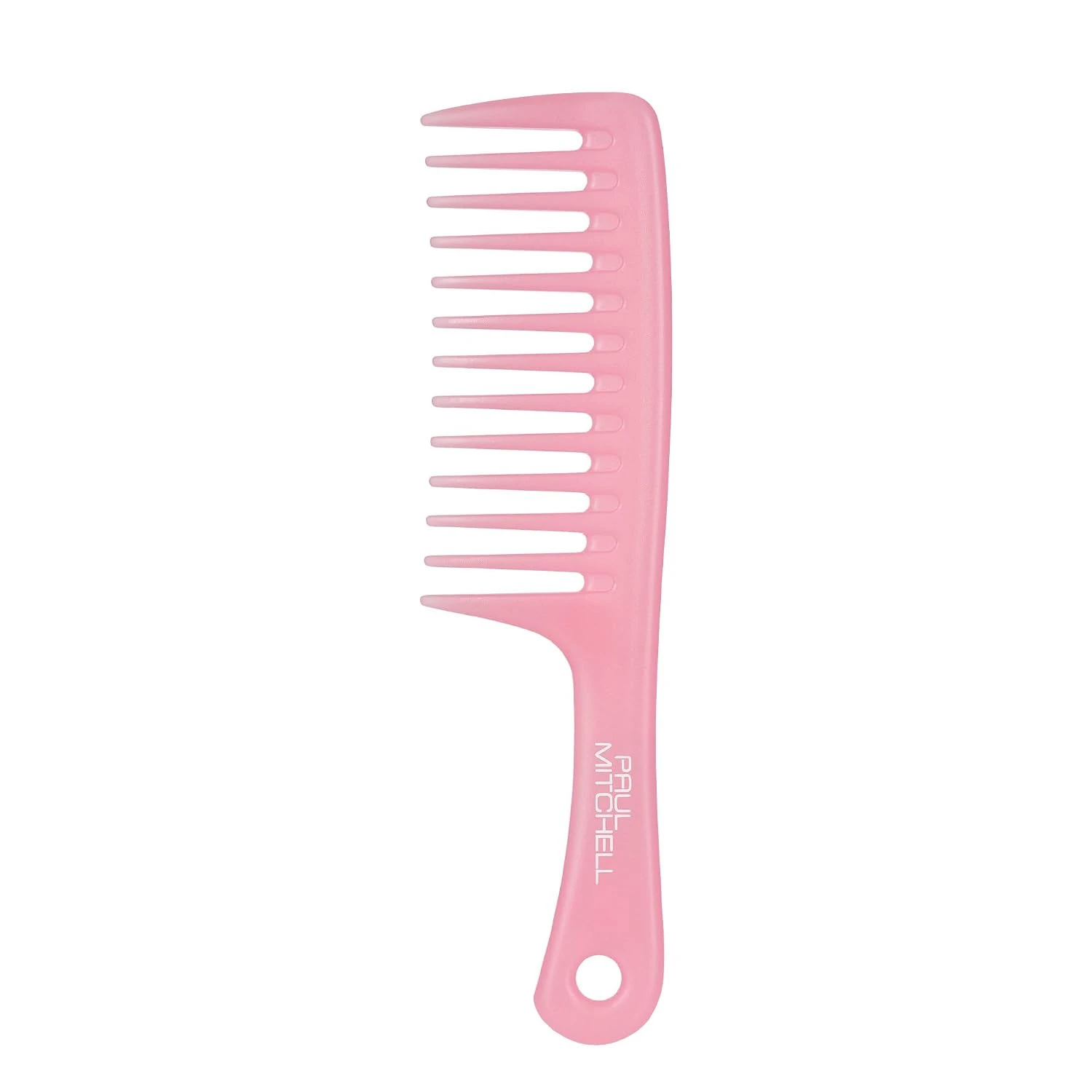
Detangling Wide Comb Bun
- Hair type: thick, dense, or heavy hair
- Styling time: seven minutes
- Occasion: everyday, especially humid or heavy-hair days
6. Messy Bun for Thin Hair
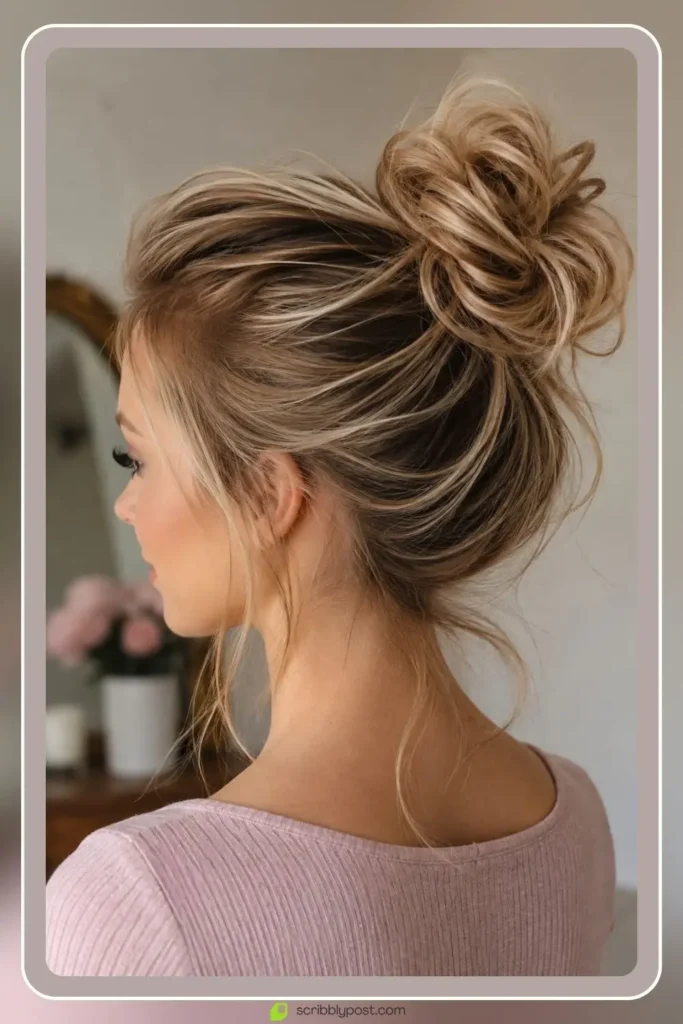
Fine or thin hair benefits from a teasing step before the loop technique even begins, gentle back-combing at the crown that creates a fuller base for the bun to sit on. Without this step, thin hair can produce a flat, thin-looking bun regardless of technique.
Good to know: teasing works by creating small tangles at the root that add lift and fullness, a texturizing spray beforehand gives the comb something to grip.
Create the Look
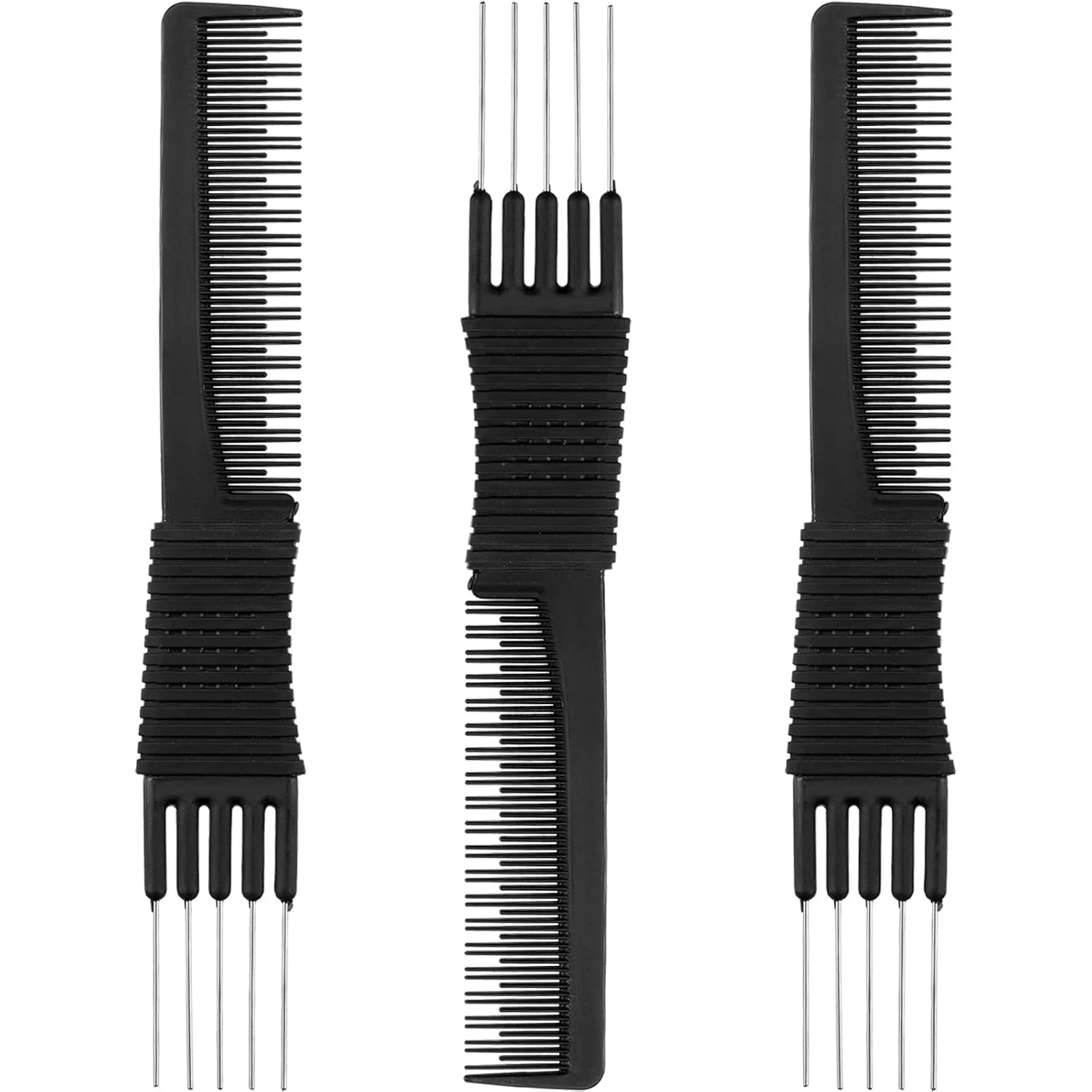
Backcombing Comb Tool
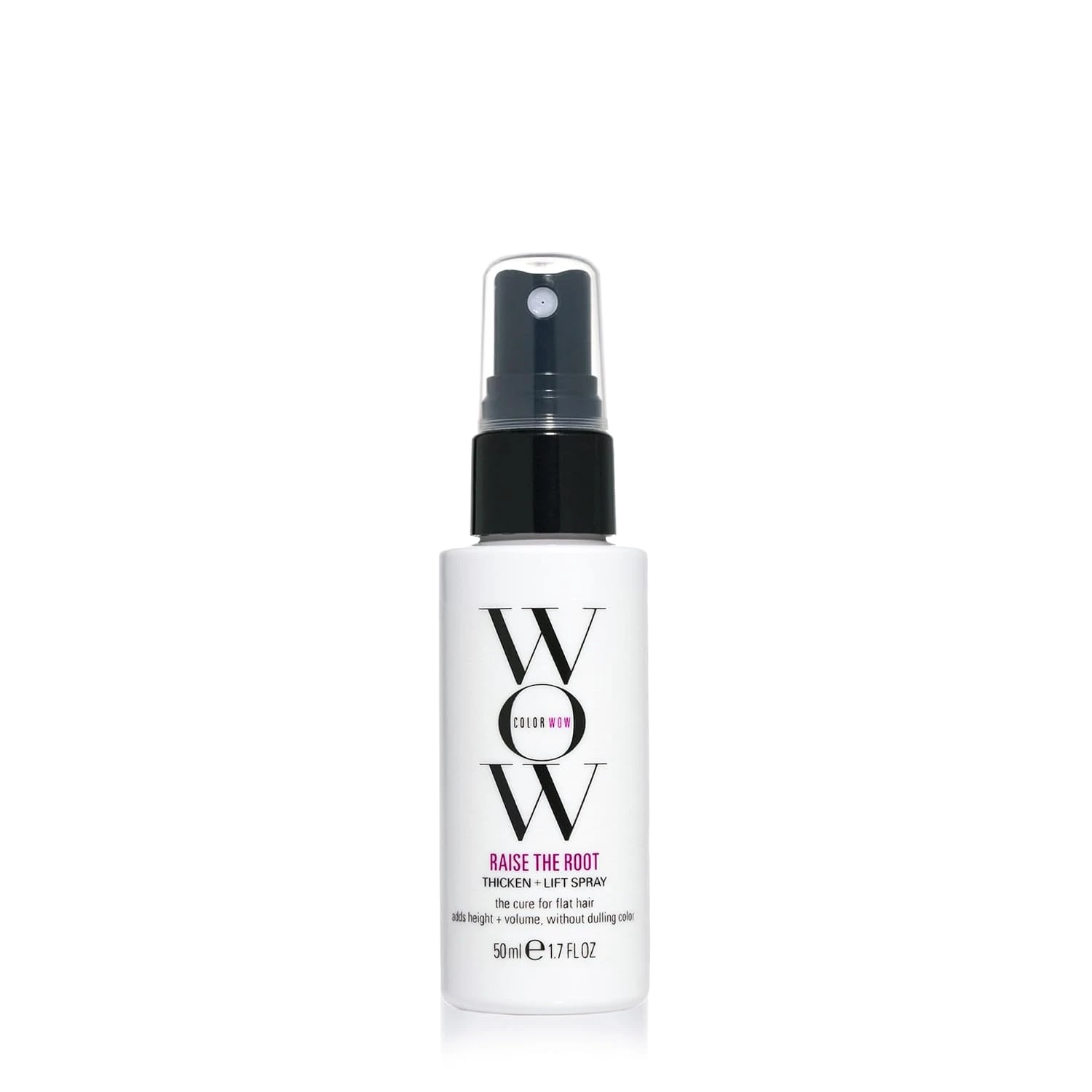
Root Lift Volumizing Spray
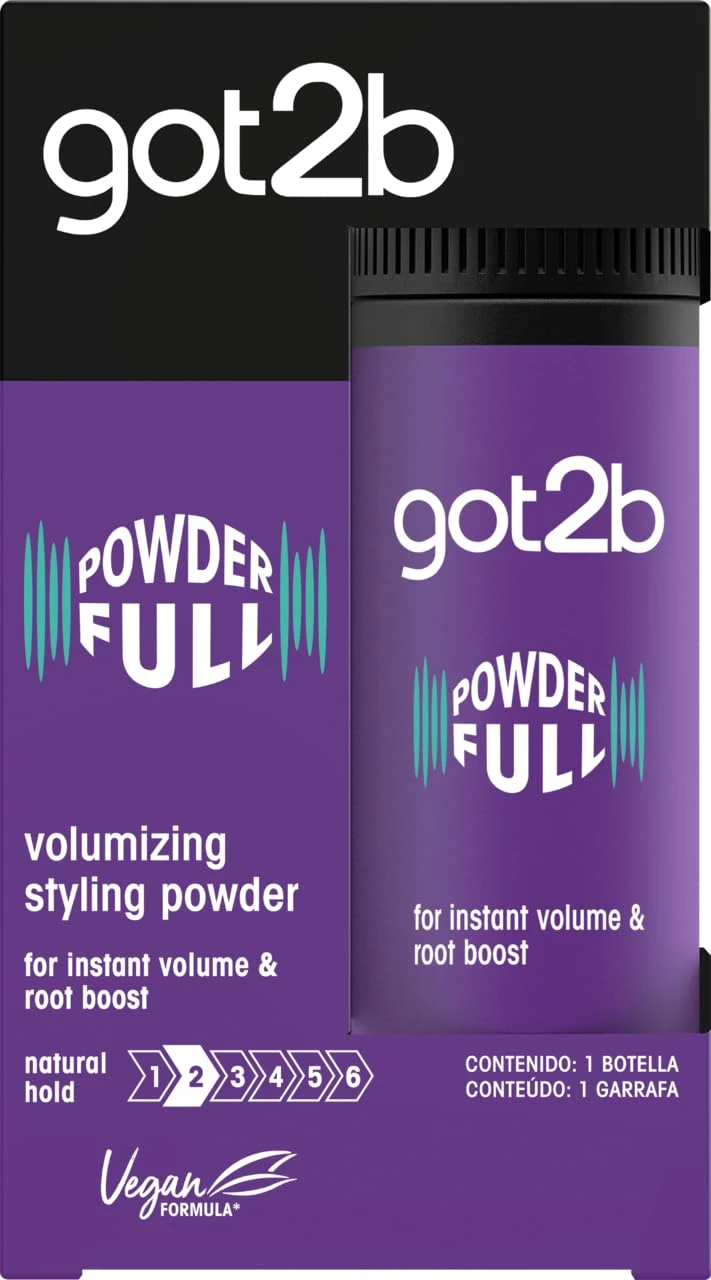
Fine Hair Texturizing Powder
- Hair type: fine, thin, or low-density hair
- Styling time: eight minutes with teasing
- Occasion: everyday, occasions wanting more visible volume
7. Messy Bun for Short Hair
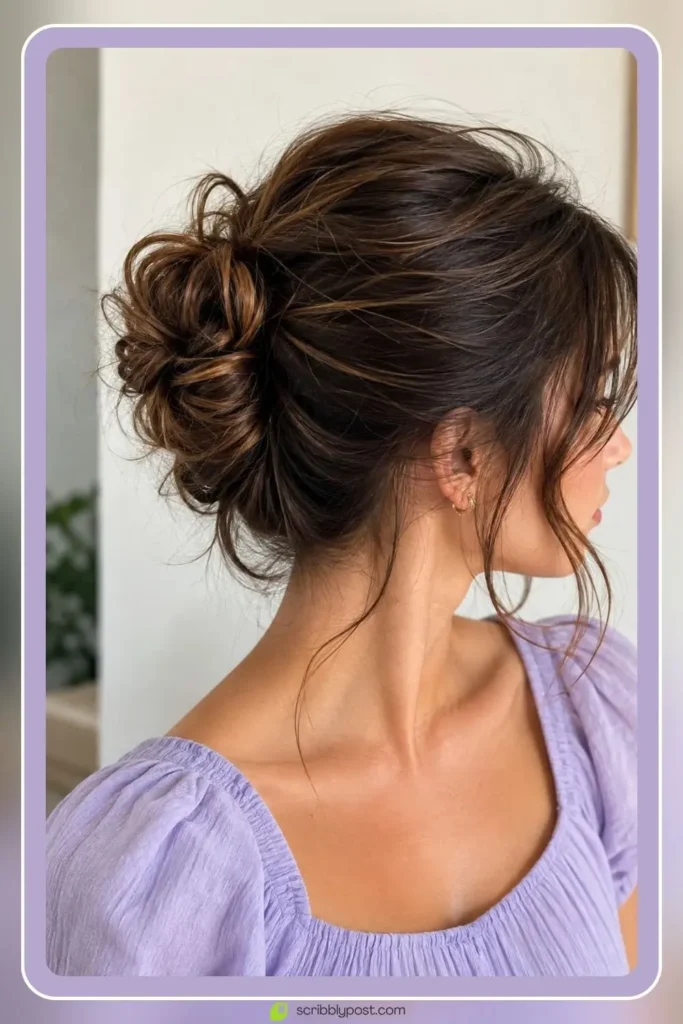
Even shoulder-length hair can support a full, fluffy messy bun with one specific trick, securing loose pieces near the neck that tend to slip out of a standard ponytail holder before they have a chance to escape. The technique compensates for the reduced length available to work with.
Why it works: pre-securing the shortest, most escape-prone pieces before building the main bun prevents the frustrating slippage short hair is prone to.
Create the Look
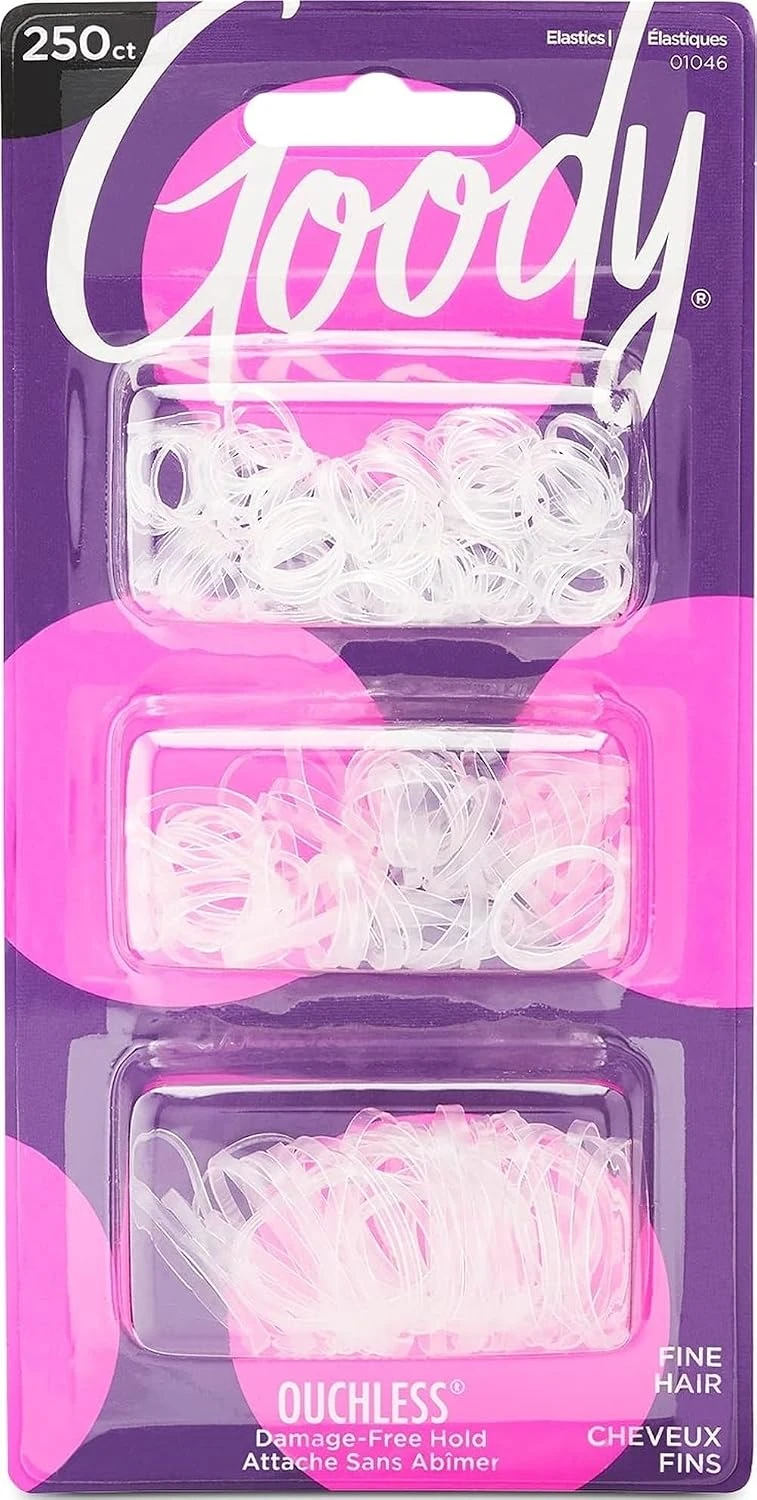
Mini Snag Free Elastics
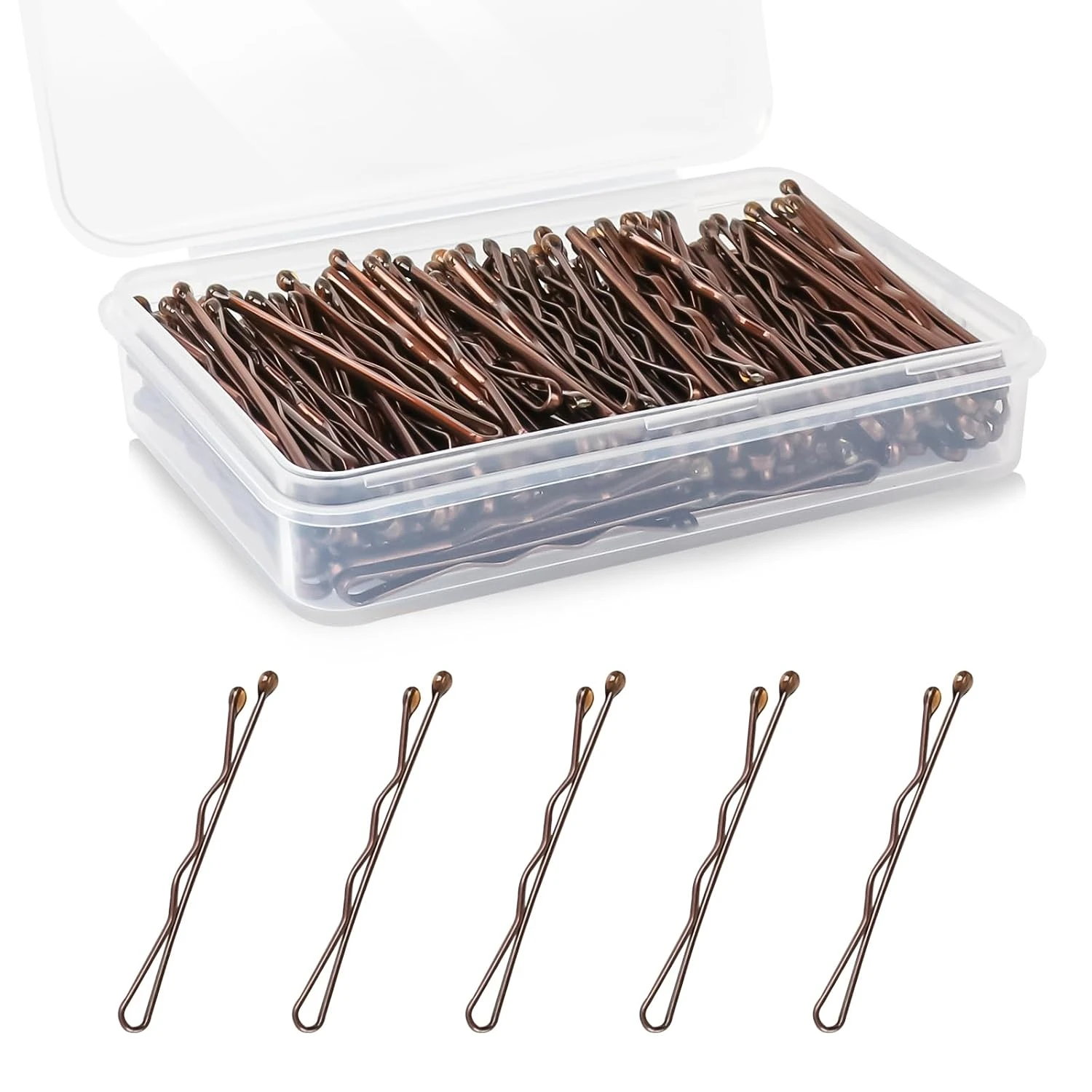
Short Hair Bobby Pins
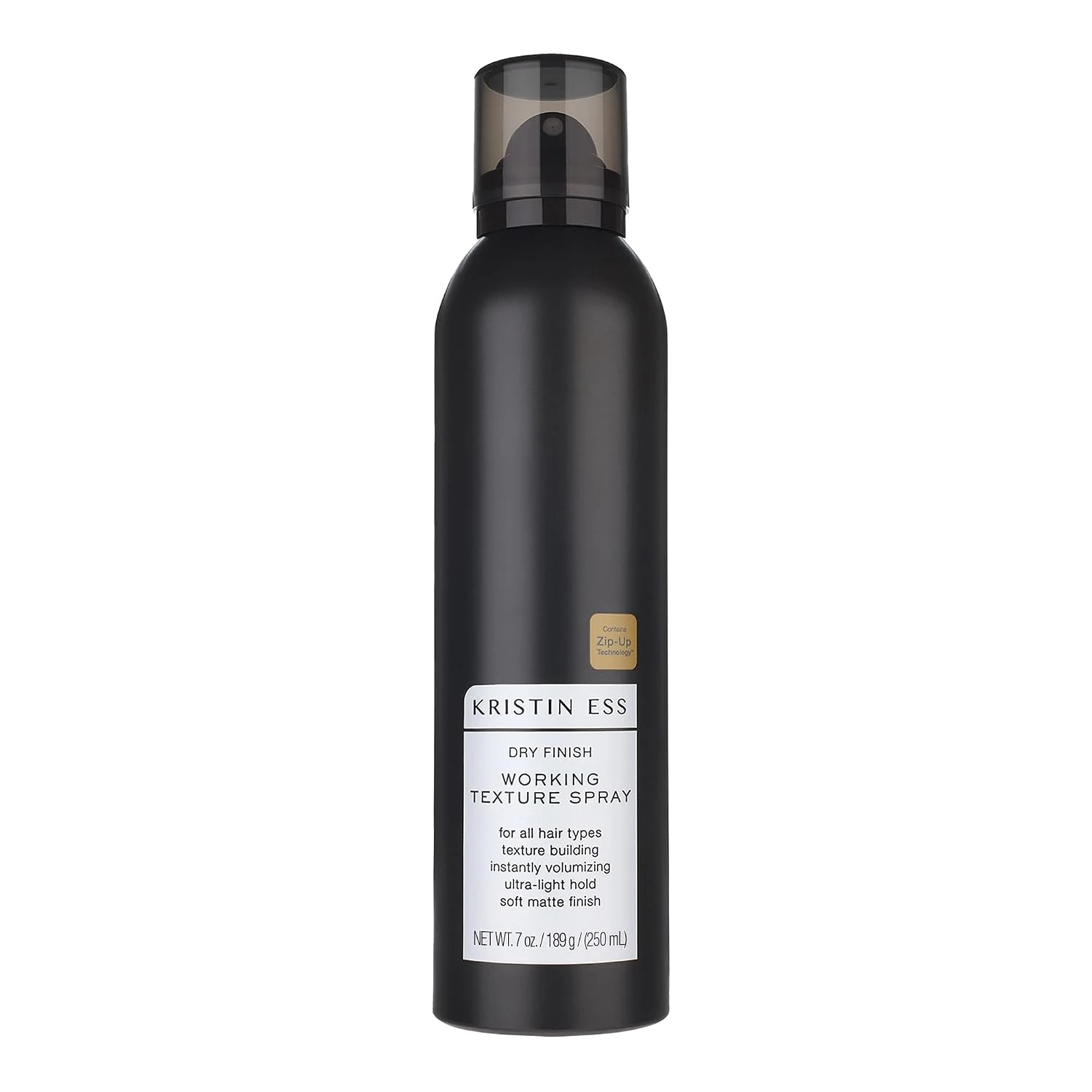
Flexible Texture Spray Short
- Hair type: shoulder-length to short bob lengths
- Styling time: eight minutes
- Occasion: everyday, casual events
8. Two Messy Buns
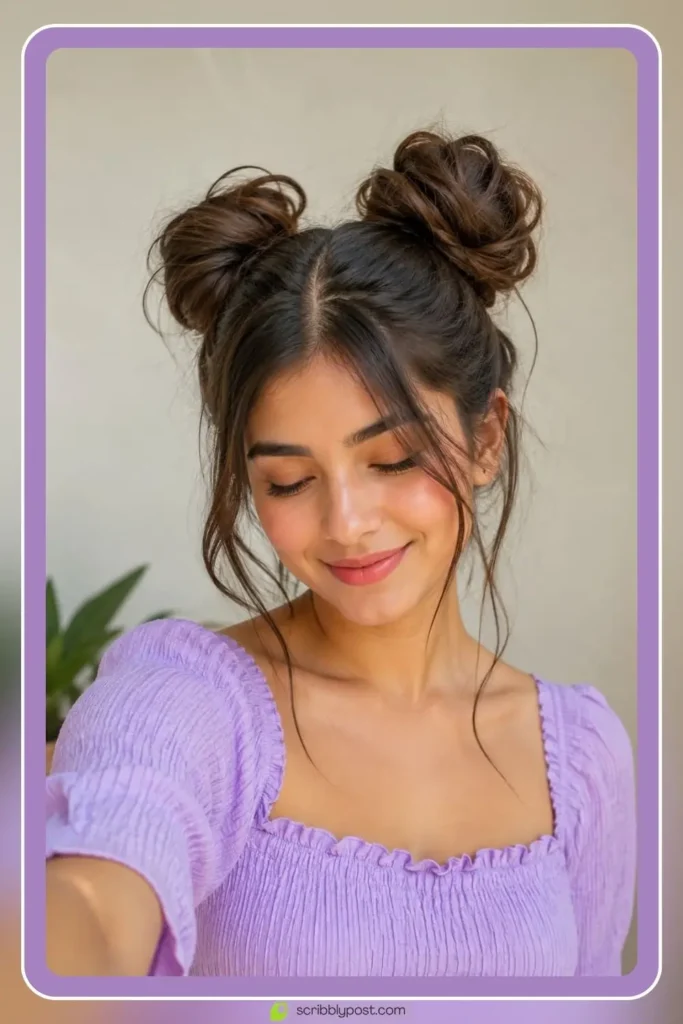
Two messy buns apply the same loop technique to two separate sections rather than one, parted evenly down the middle so the finished buns sit symmetrically. Uneven parting is the most common mistake, throwing off the whole balance of the style.
Good to know: parting hair evenly before securing each side is the specific detail that keeps the two buns from reading lopsided in photos.
Create the Look
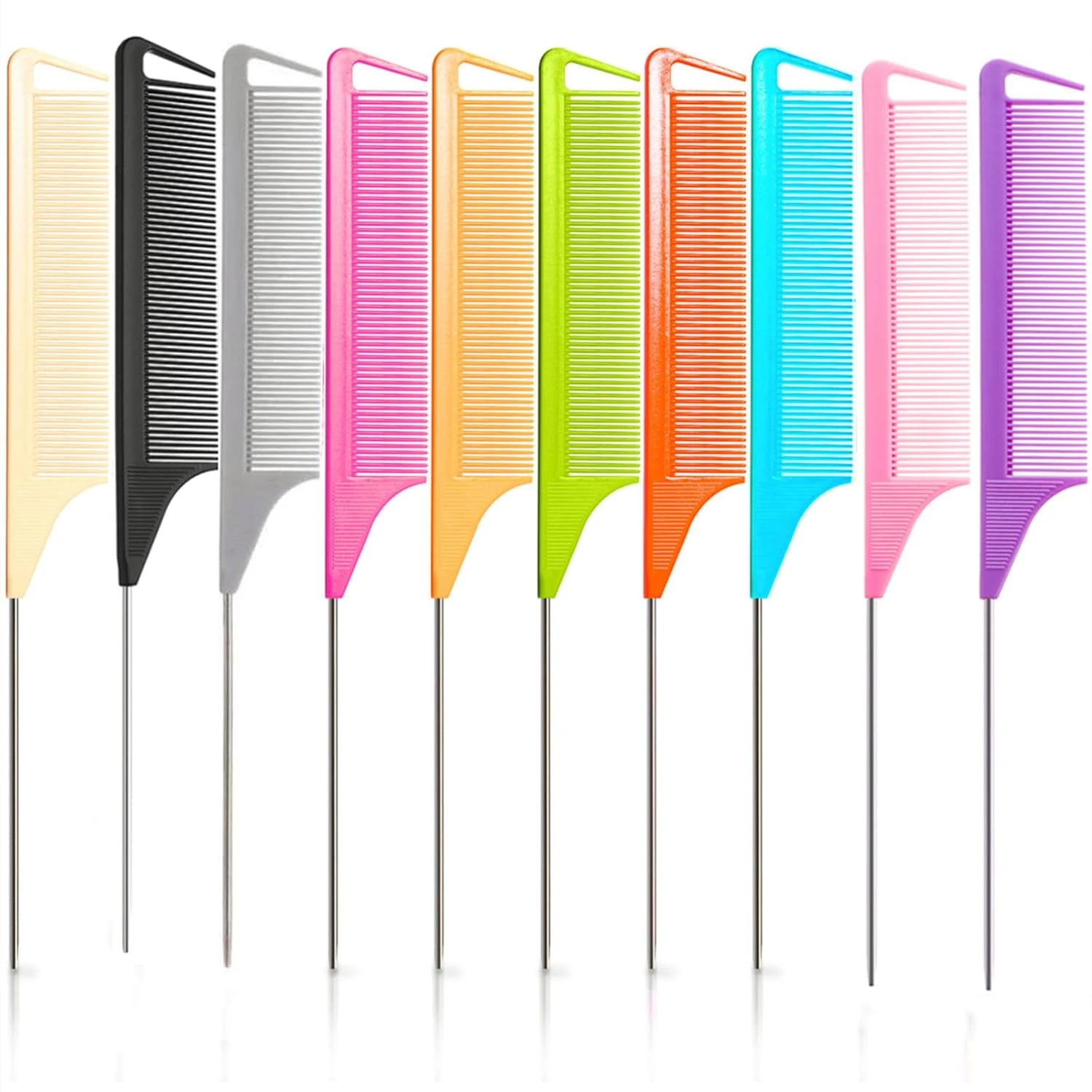
Center Part Rat Tail Comb
Dual Small Hair Elastics
Baby Hair Taming Gel
- Hair type: medium length works best for double sectioning
- Styling time: eight minutes
- Occasion: festivals, casual outings, playful days
9. Messy Double Buns High
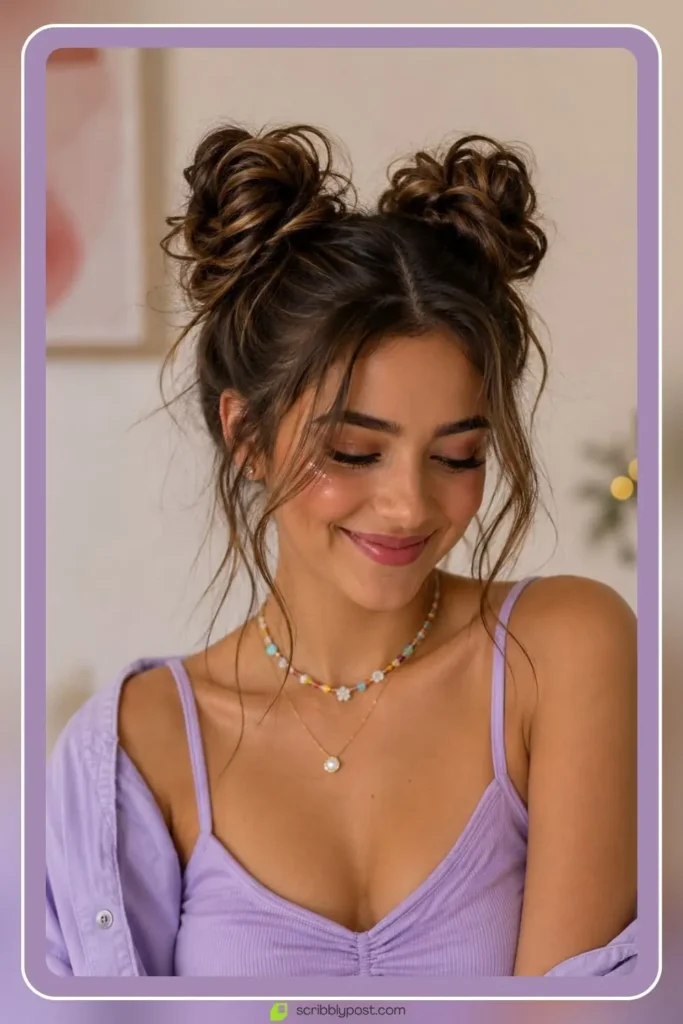
Messy double buns placed high on the crown rather than at a lower, more subdued height push the playful energy further, suited to festivals and casual outings over polished events. The higher placement also means more natural volume in each individual bun.
Why it works: high placement compounds the volume benefit twice over, once per bun, doubling the effect of the crown-height trick used in single messy buns.
Create the Look
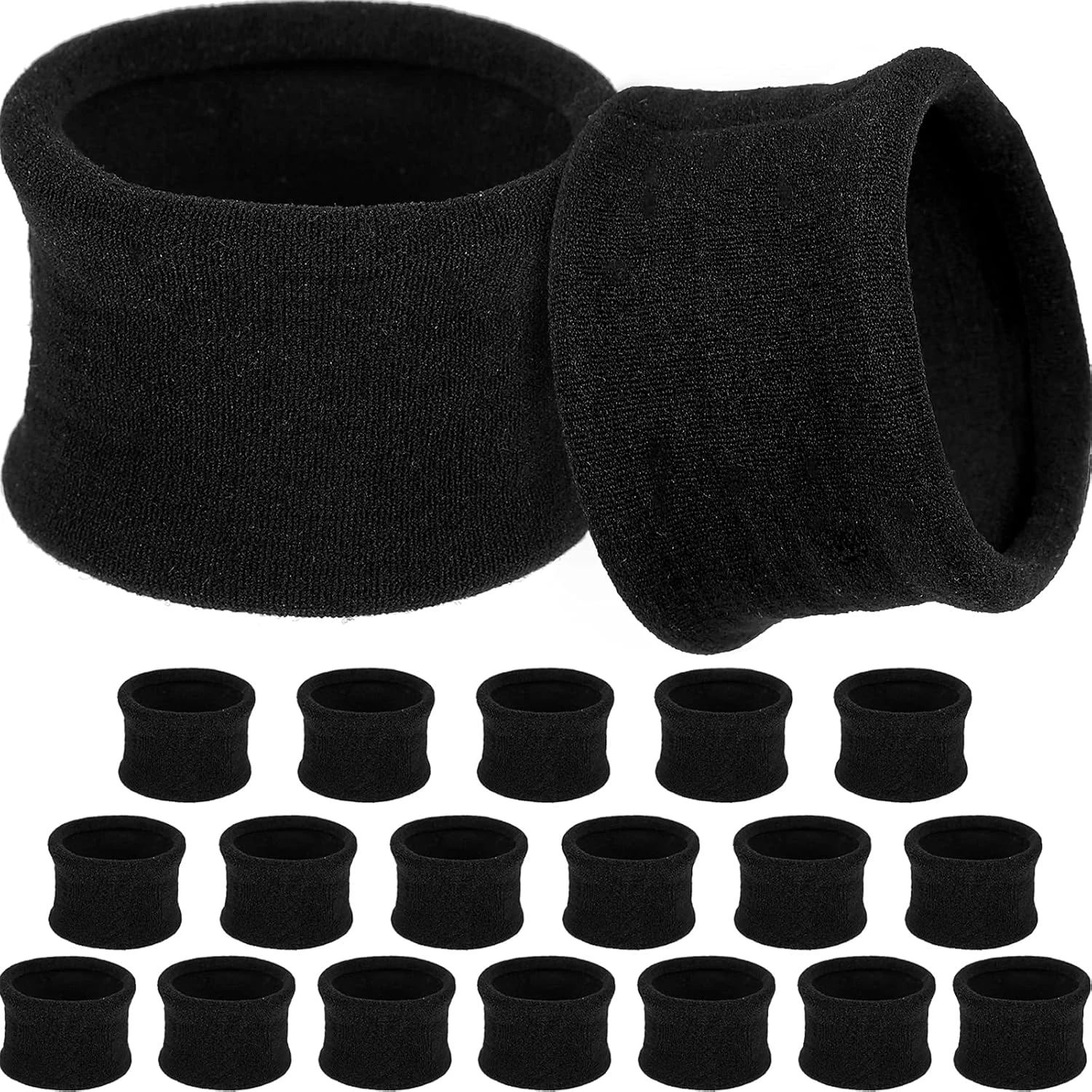
High Volume Hair Elastics
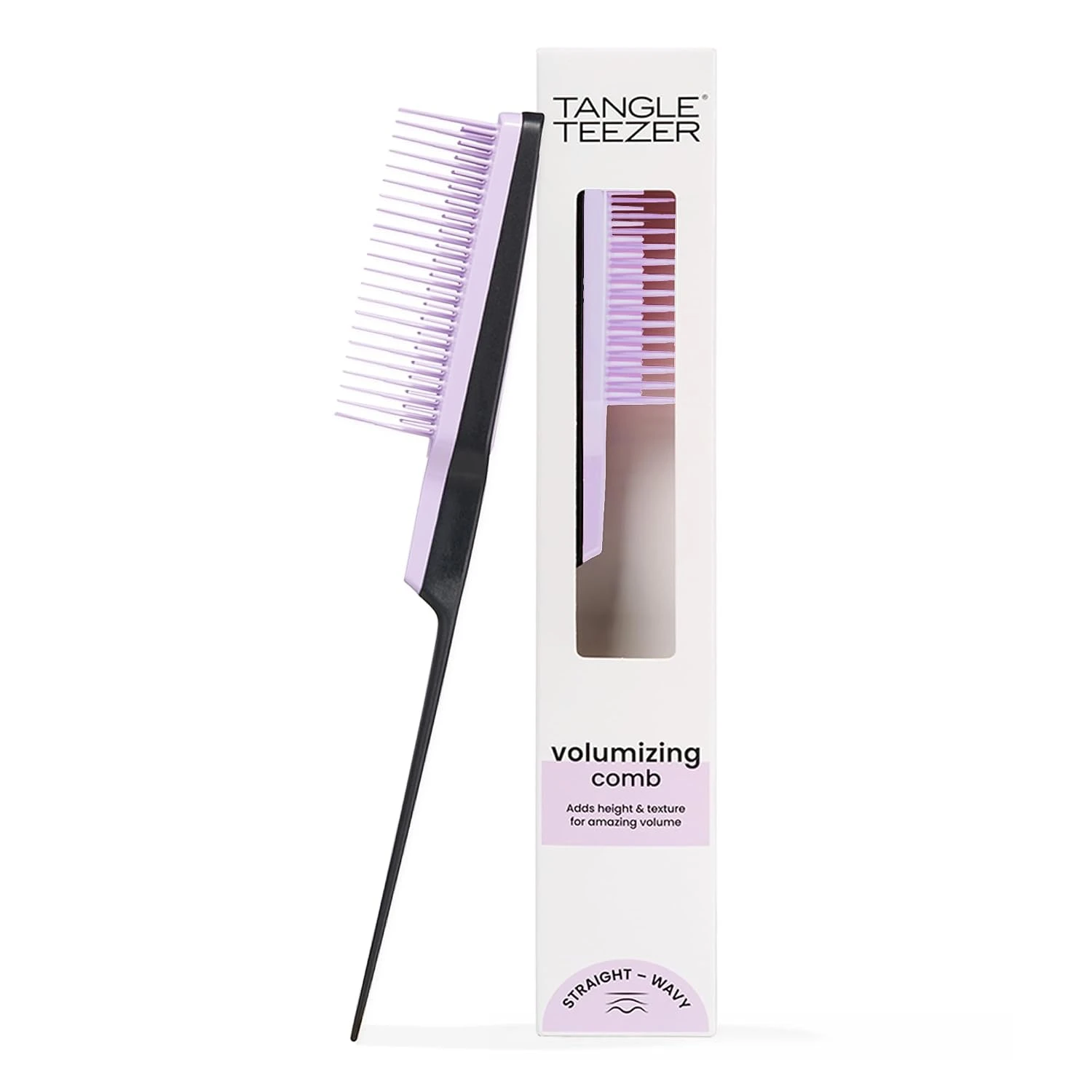
Teasing Brush Volume Double
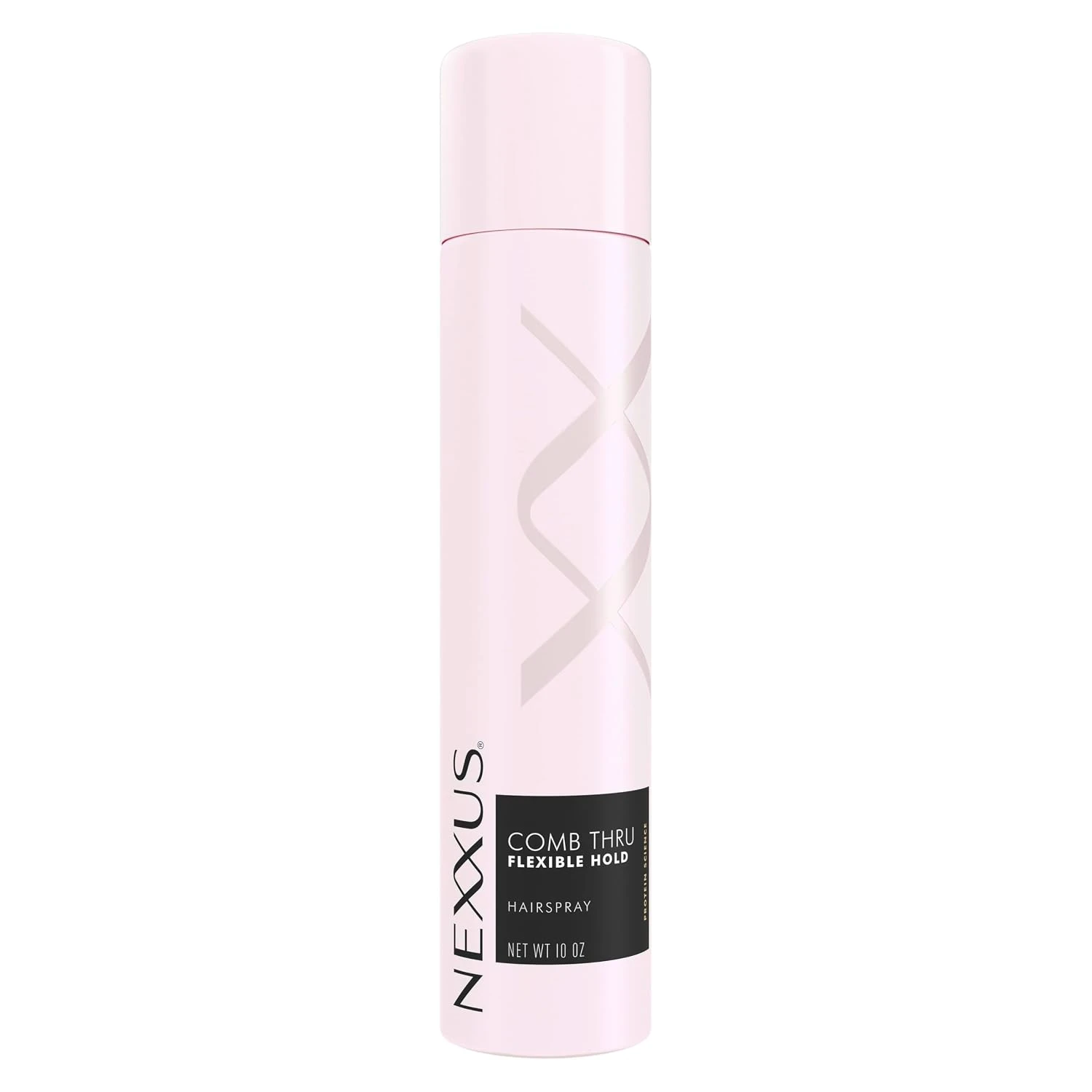
Soft Hold Finishing Spray
- Hair type: works on most textures with enough length
- Styling time: ten minutes
- Occasion: festivals, concerts, playful casual days
10. Braided Messy Bun
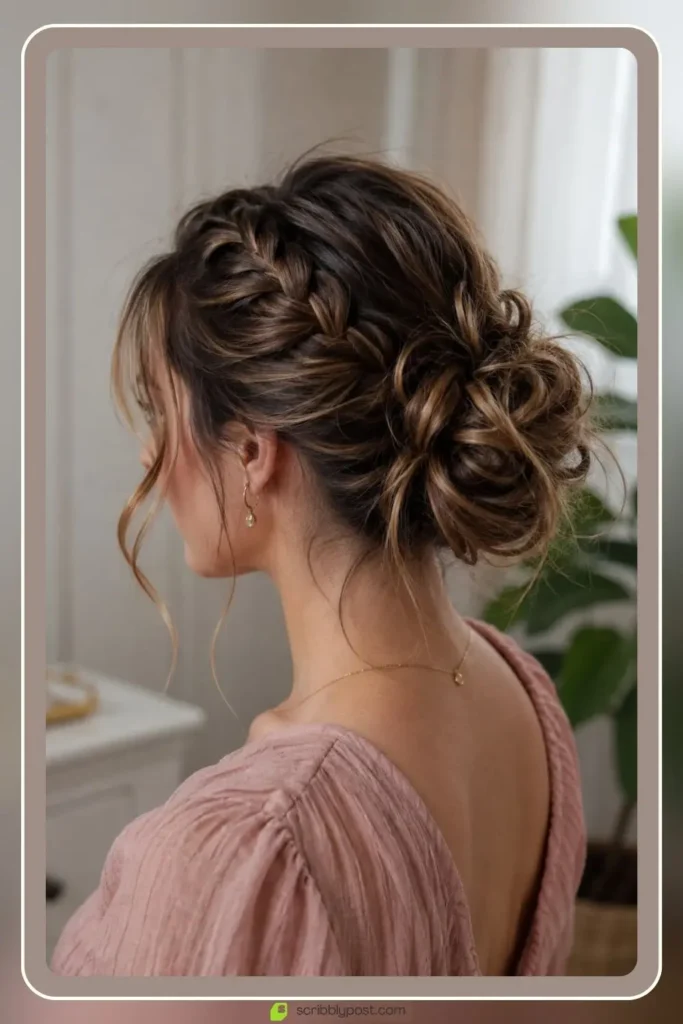
Starting with a French braid, the same braiding foundation covered in box braids, across the top of the head before transitioning into a large, loose bun at the crown or nape adds real structure to what would otherwise be a simple loop-and-twist. It reads more elaborate and takes noticeably longer, worth it for an occasion that calls for a bit more effort.
Why it works: the braided section anchors the style securely while still allowing the bun itself to stay loose and undone, structure and mess working together rather than against each other.
Create the Look
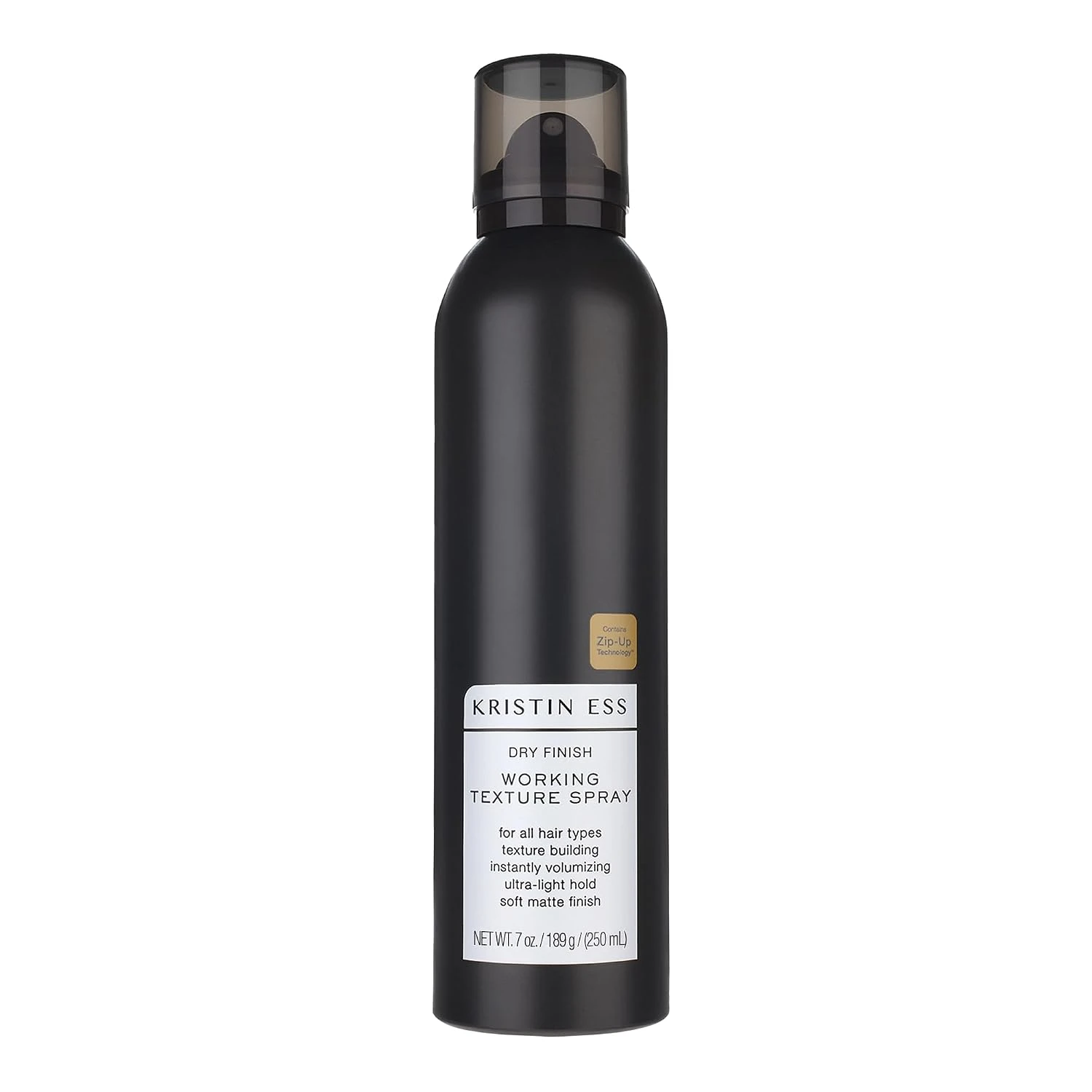
Grip Texture Spray Bun
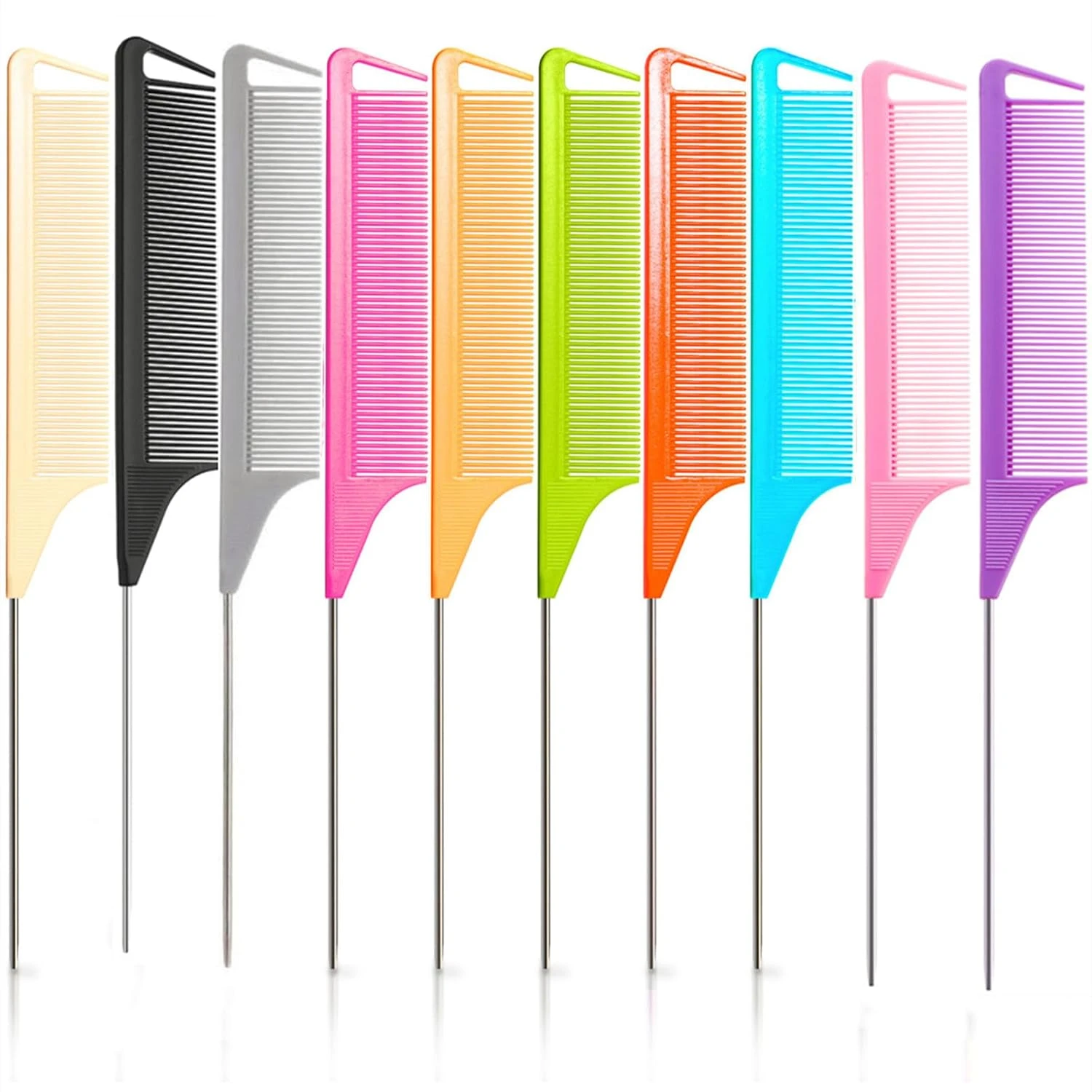
Fine Sectioning Comb Braid
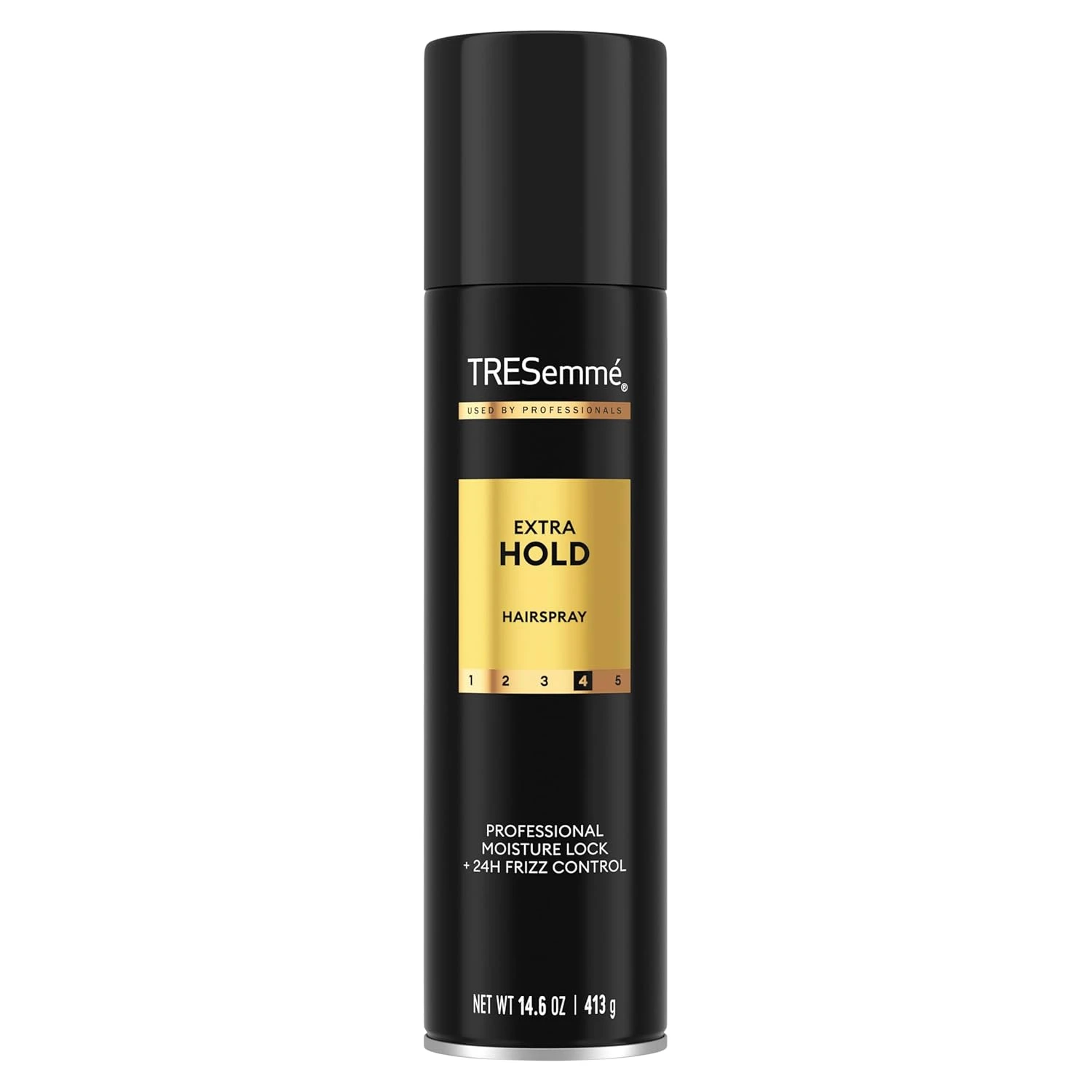
All Day Hold Hairspray Bun
- Hair type: medium to long, most textures
- Styling time: twenty minutes
- Occasion: dates, events, elevated casual days
11. Low Messy Bun Elegant
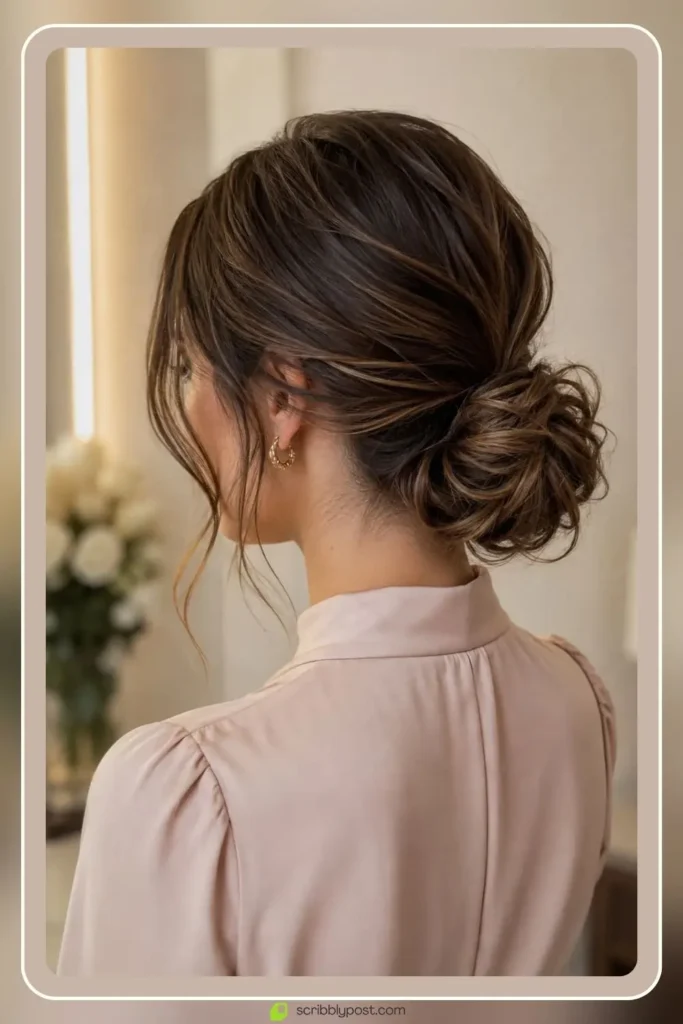
A more refined take on the standard technique, gathered at the nape rather than the crown, a placement choice also discussed in wolf cut hairstyles, following the same loop-and-wrap method but with noticeably more subtle pulling and tugging. This version pairs beautifully with professional attire or evening wear.
Why it works: keeping the tension relatively controlled compared to the fully undone crown version shifts the whole style from casual to elegant without changing the underlying technique.
Create the Look
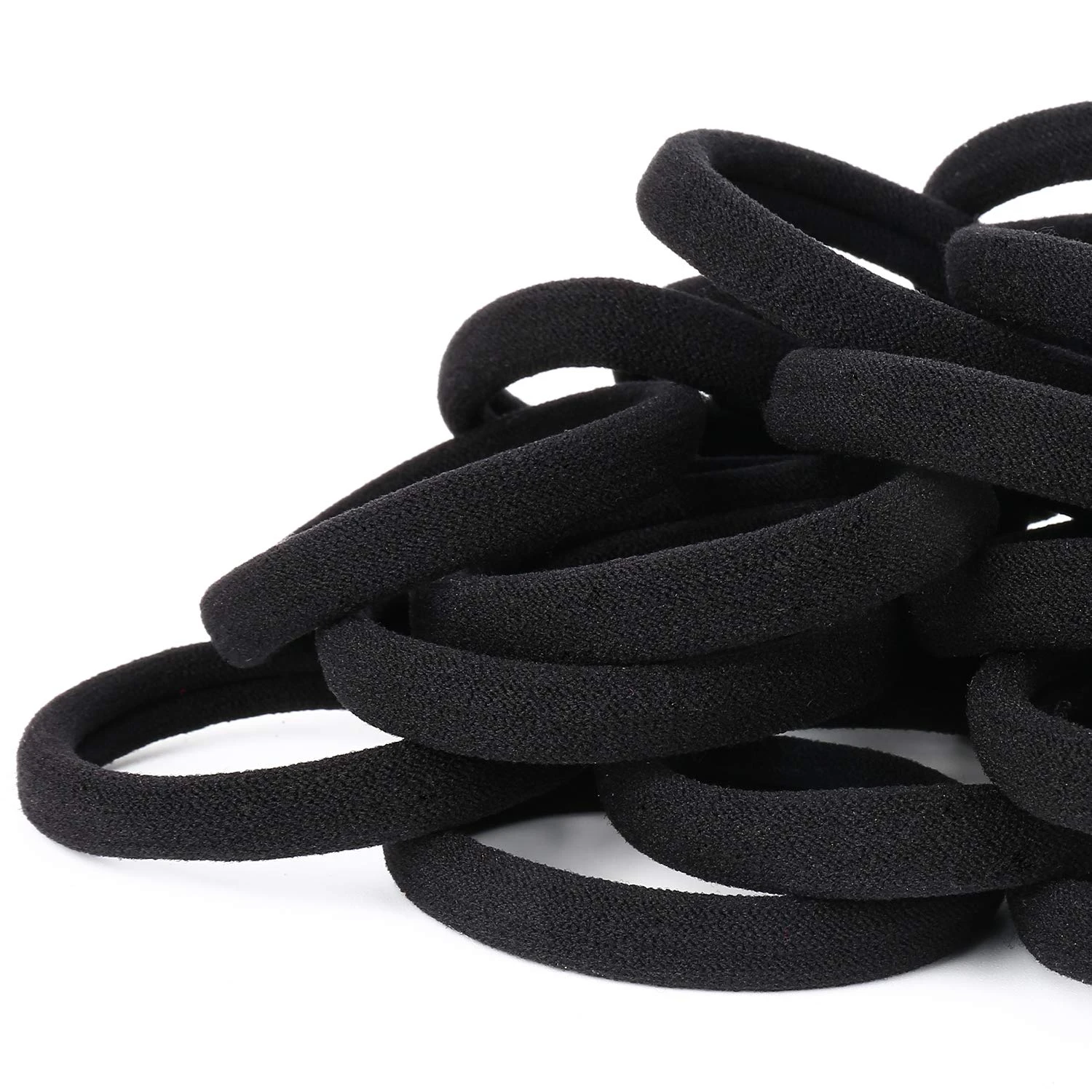
Low Bun Elastic Soft
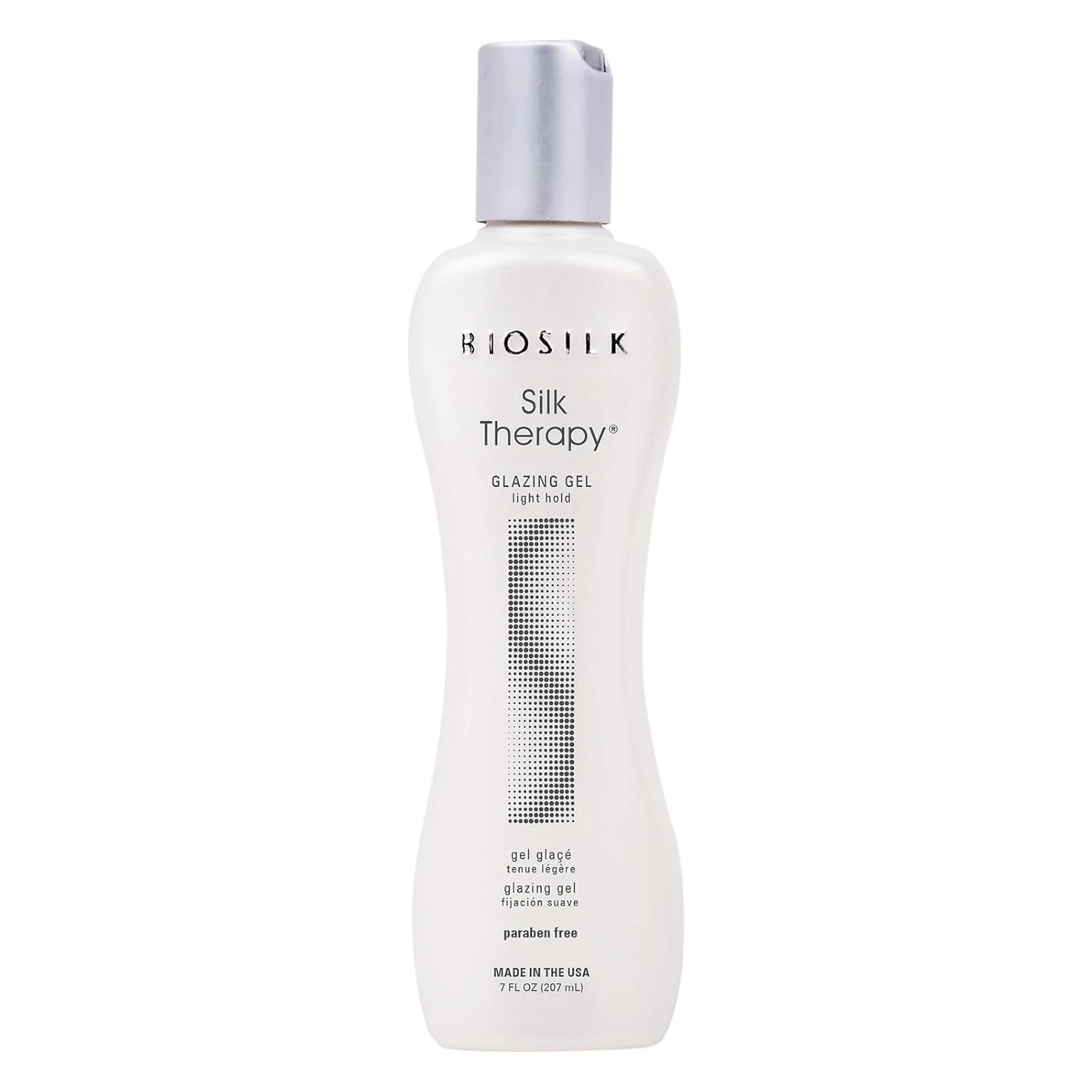
Smoothing Gel Light Elegant
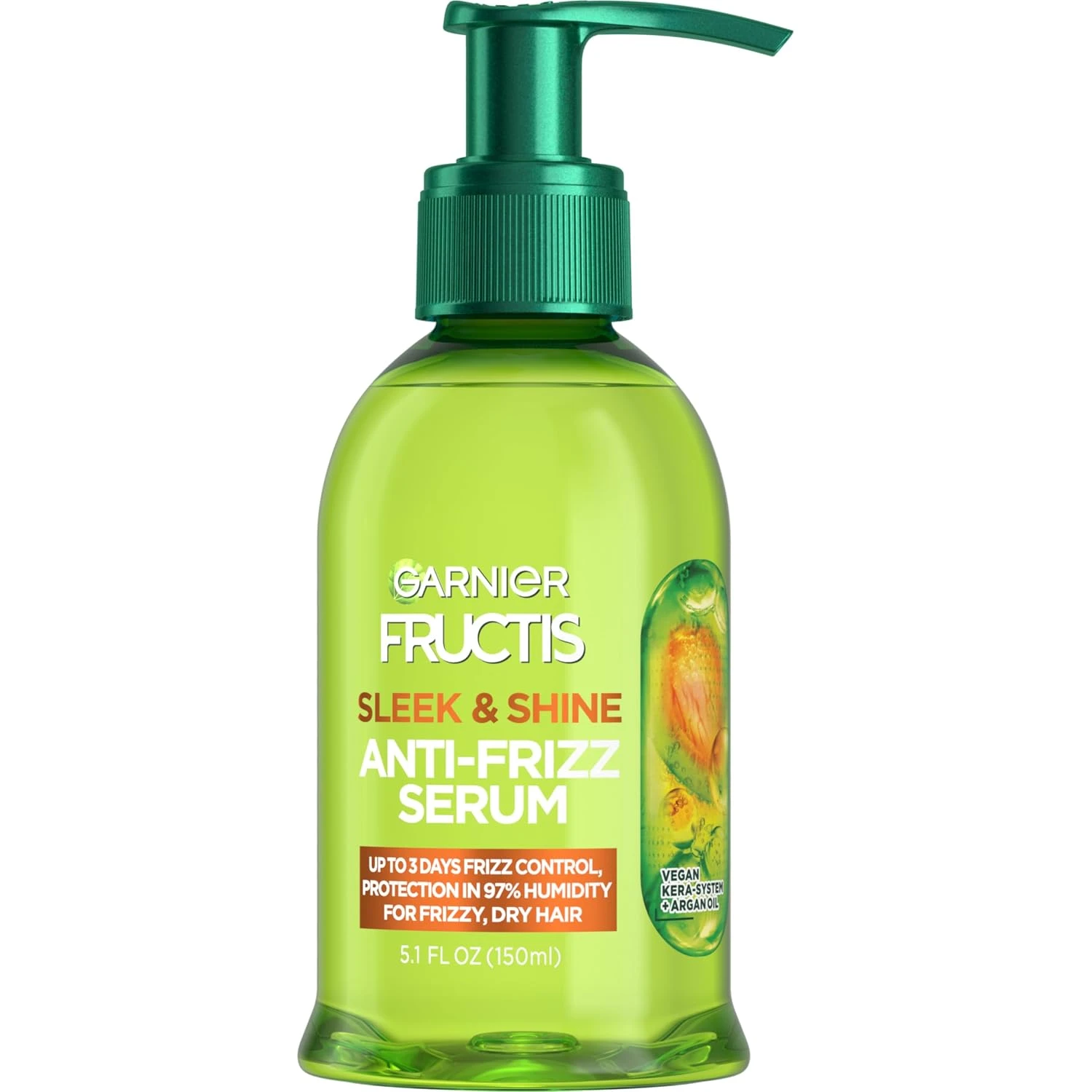
Shine Serum For Buns
- Hair type: any texture, especially flattering with a center or side part
- Styling time: seven minutes
- Occasion: work, evening events, professional settings
12. Messy Bun with Claw Clip
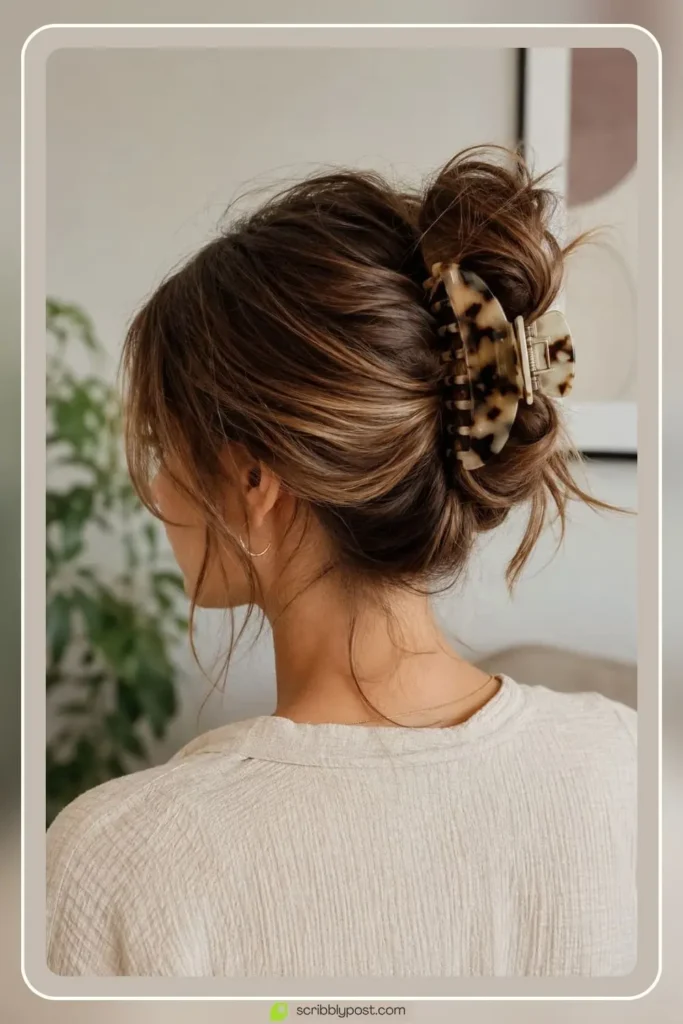
Skipping the elastic-and-pin method entirely, a large claw clip gathers the hair into a loose, twisted bun shape, a fast styling trick worth pairing with blonde hair styles, in a fraction of the time. It has become one of the most popular fast versions of the style, trading some structural precision for genuine speed.
Why it works: the claw clip does the securing job an elastic and several pins would otherwise handle, the fastest legitimate route to a finished-looking bun.
Create the Look
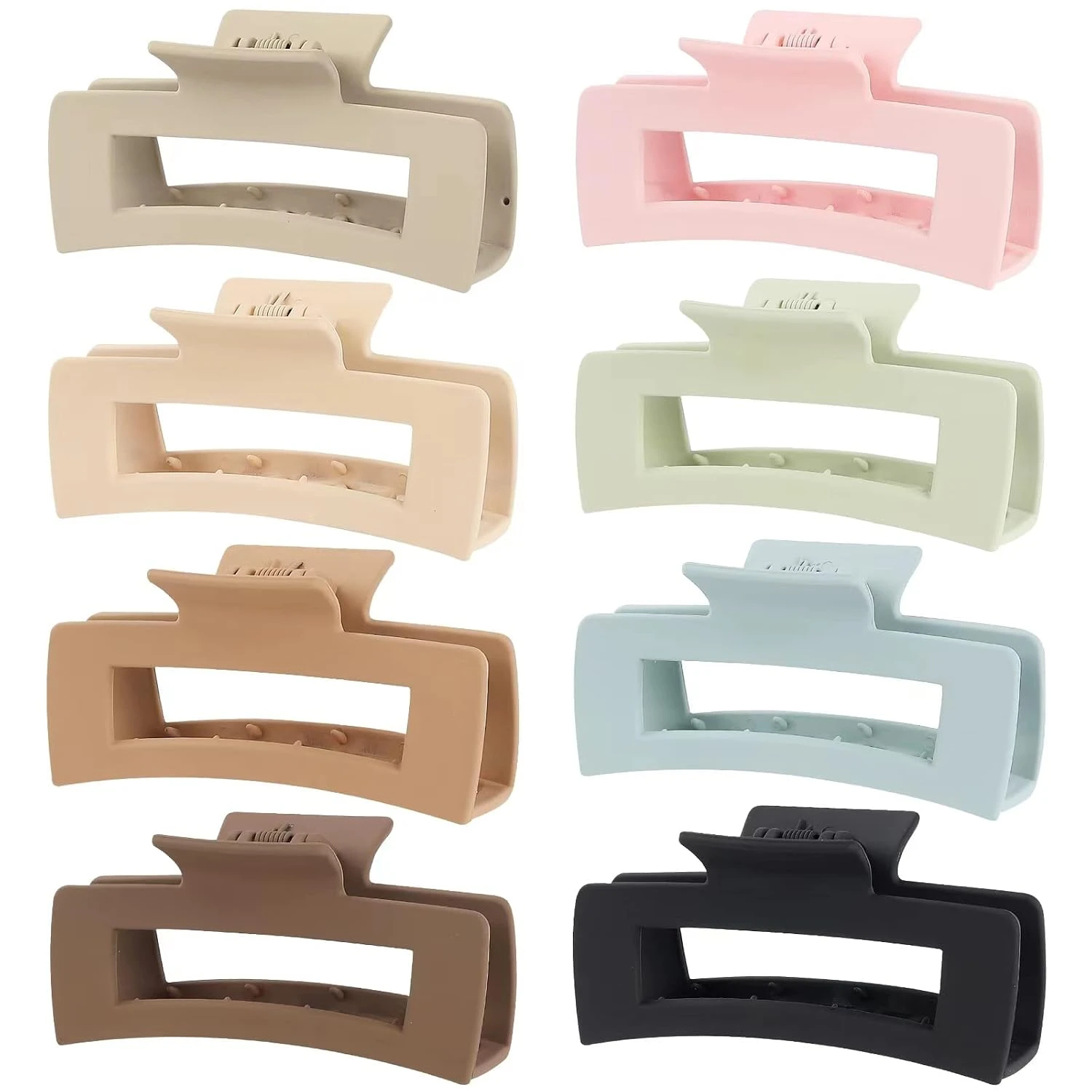
Large Claw Clip Matte
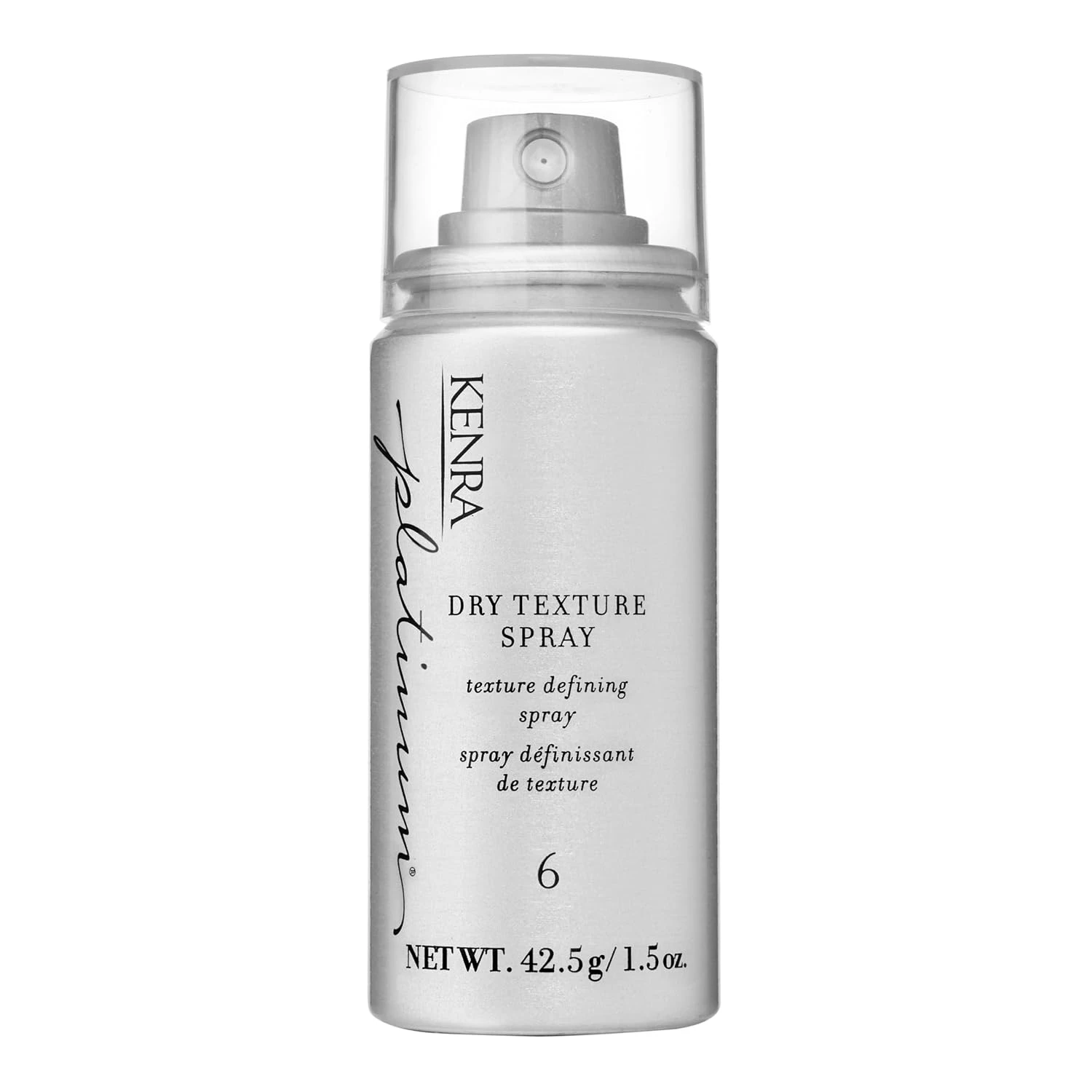
Texturizing Spray Quick
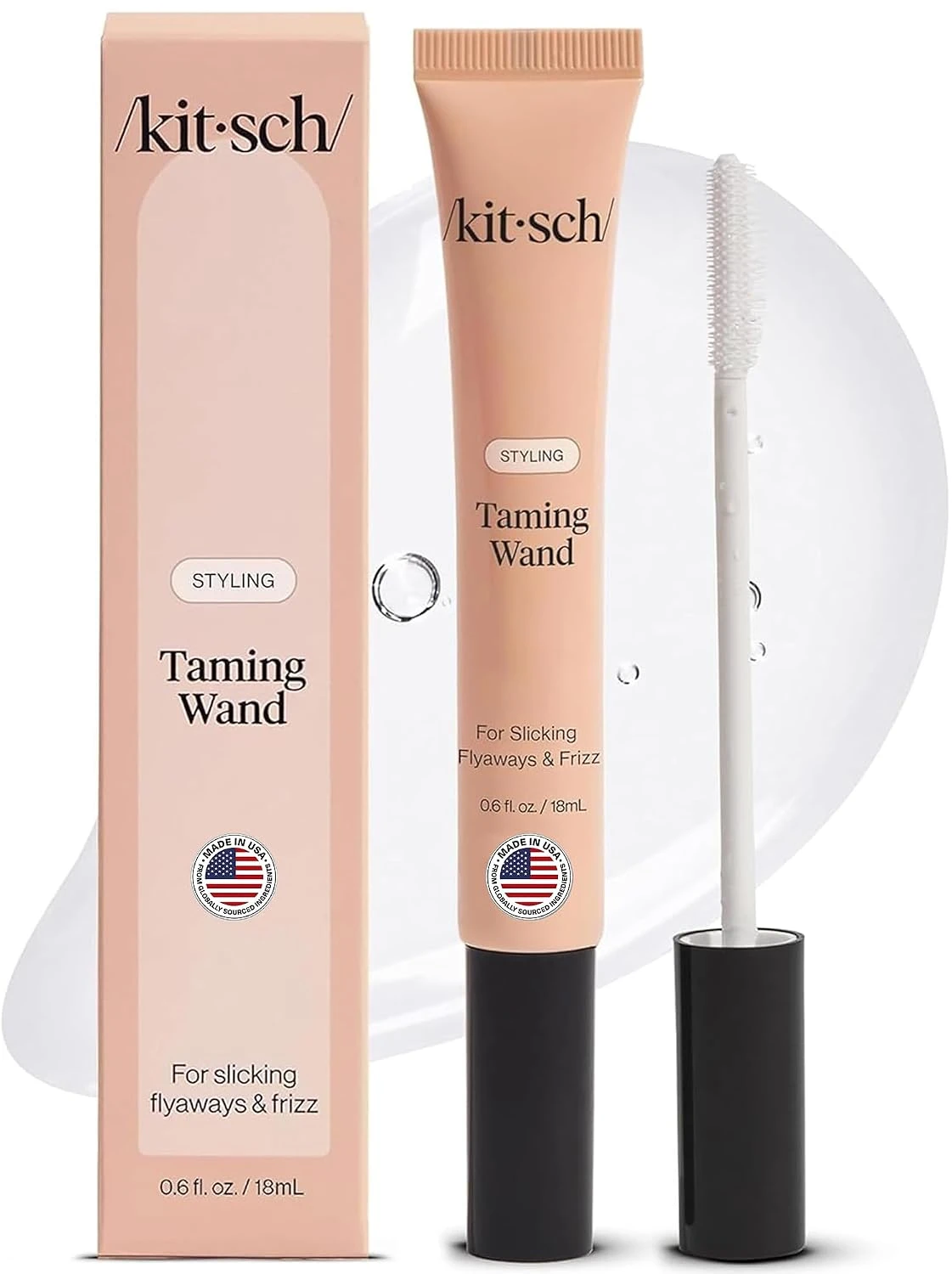
Flyaway Taming Stick
- Hair type: medium to long, any texture
- Styling time: under one minute
- Occasion: everyday, work-from-home days, quick errands
13. Two-Elastic Messy Bun
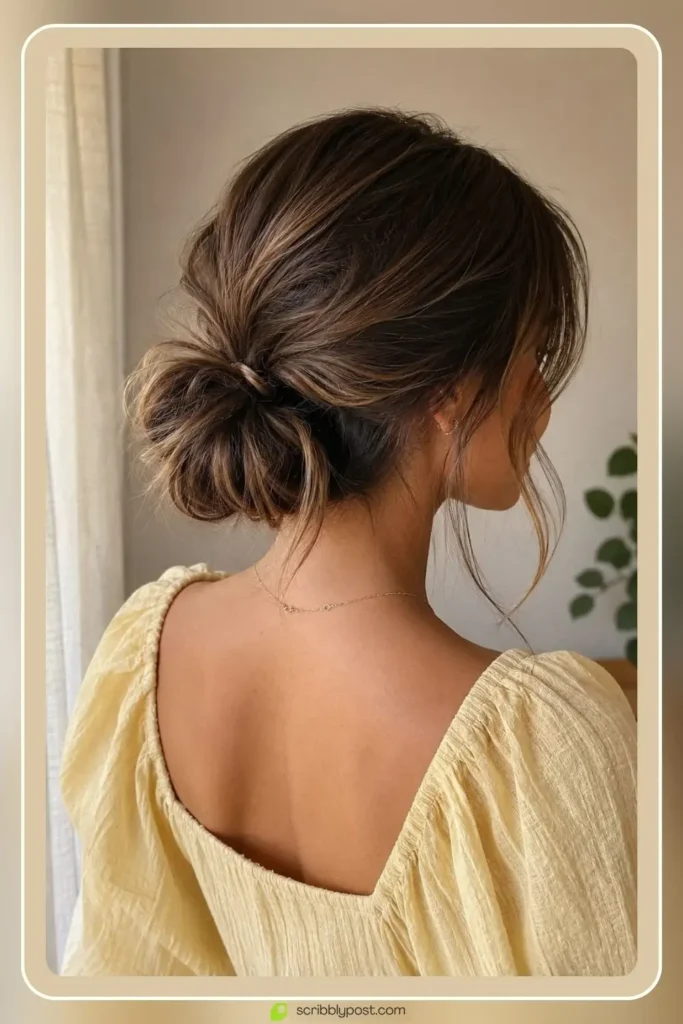
A specific low-effort variation using just two hair ties and zero bobby pins, gather the ponytail, loop it partially through a second elastic, and let the ends fall loose for texture. It has circulated widely as a genuinely fast, pin-free technique.
Good to know: this method skips pins entirely, making it the fastest bun in this list that still looks deliberately styled rather than just tied up.
Create the Look
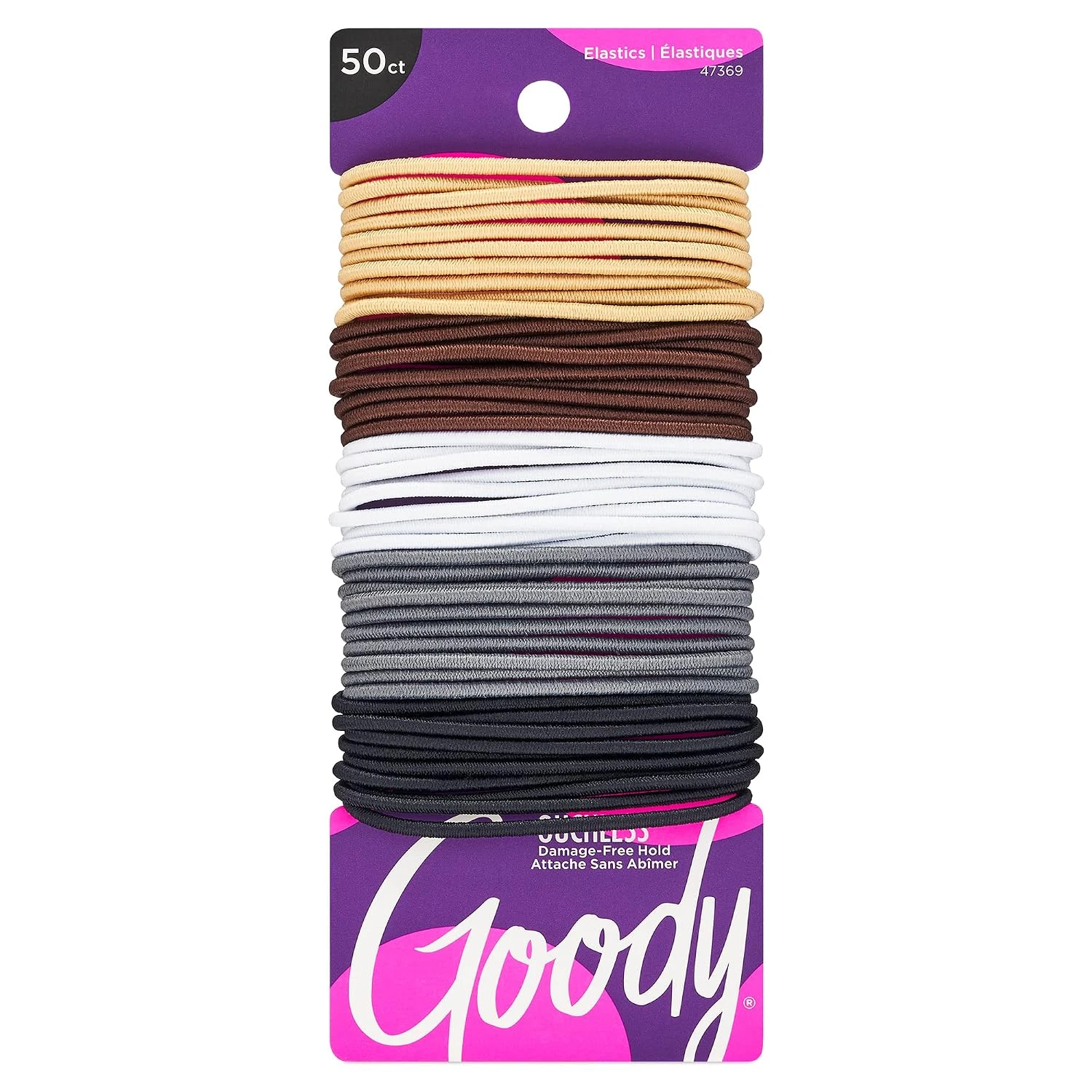
Thin Hair Elastics Pack
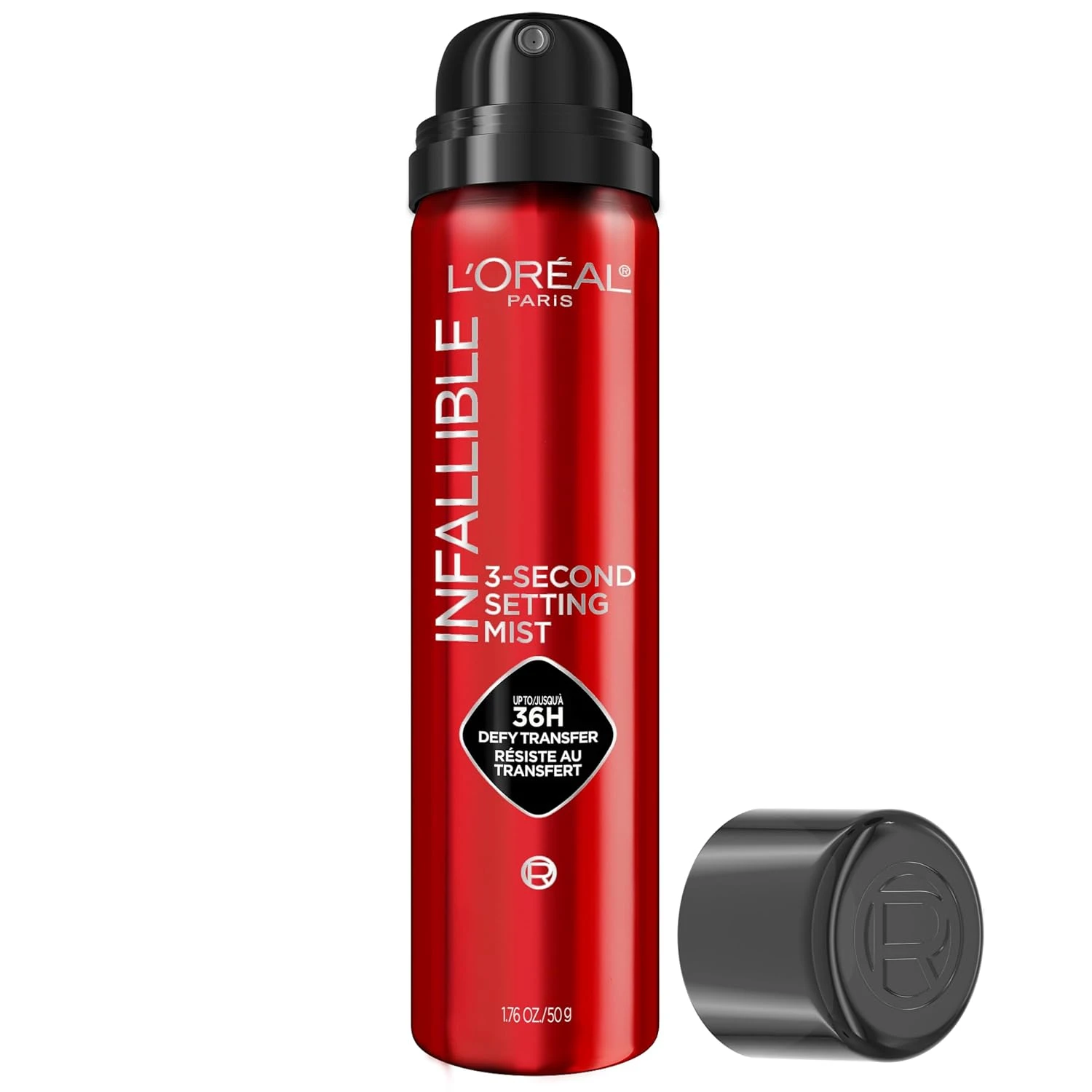
Lightweight Finishing Mist
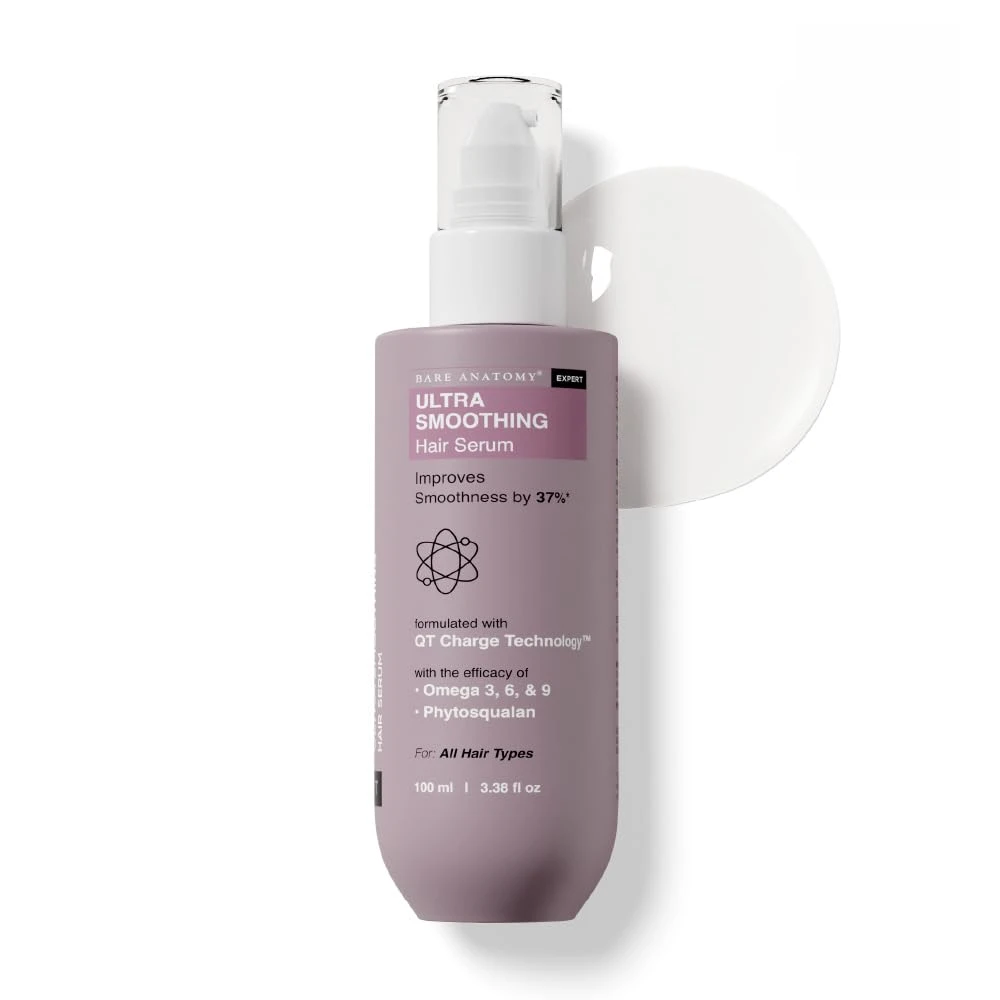
Smoothing Serum Small
- Hair type: medium to long hair
- Styling time: two minutes
- Occasion: summer days, work-from-home, quick styling needs
14. Messy Bun for Curly Hair
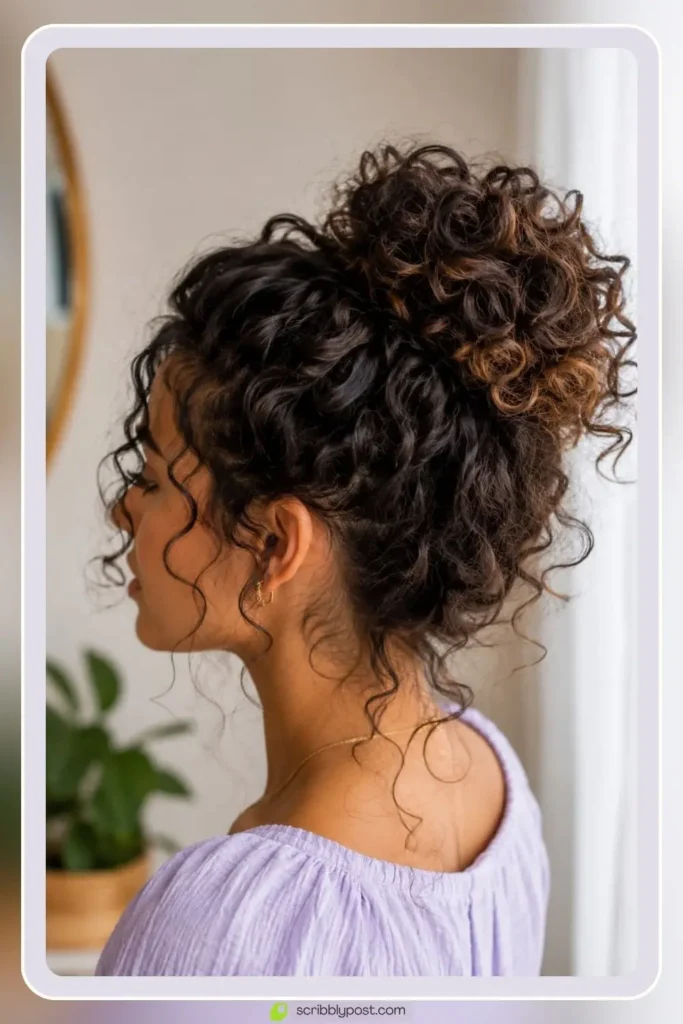
Curly hair naturally brings texture and volume the loop technique benefits from, but it also needs its own consideration, working with slightly damp or product-styled curls rather than fully dry hair prevents the frizz that pure dry-styling can trigger. The natural spring of curl pattern, the same texture prioritized throughout curly hairstyles, often reduces the need for extra tugging or teasing.
Why it works: curl pattern supplies built-in texture and volume that straighter hair needs extra steps to fake, the loop technique simply has less work to do.
Create the Look
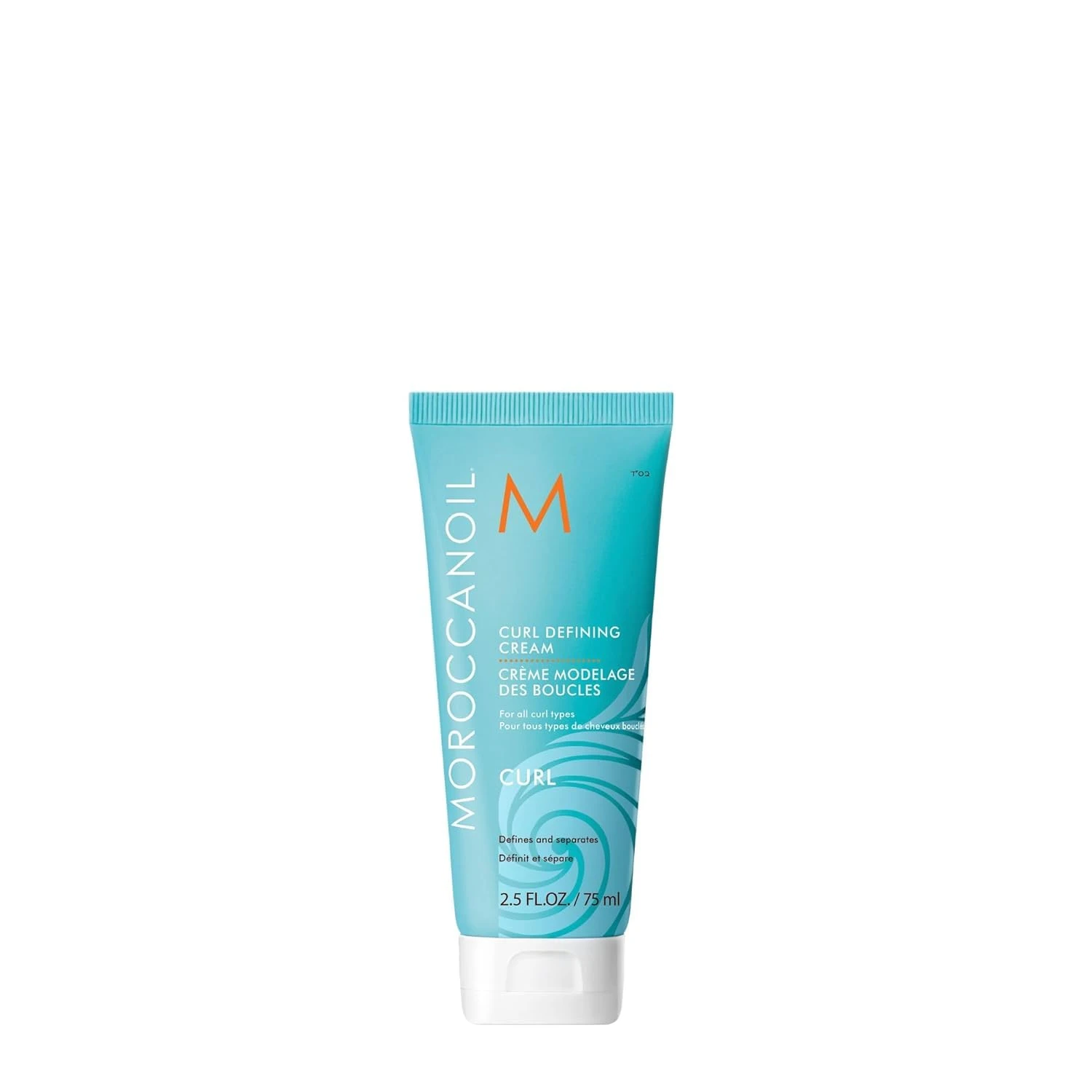
Curl Defining Cream
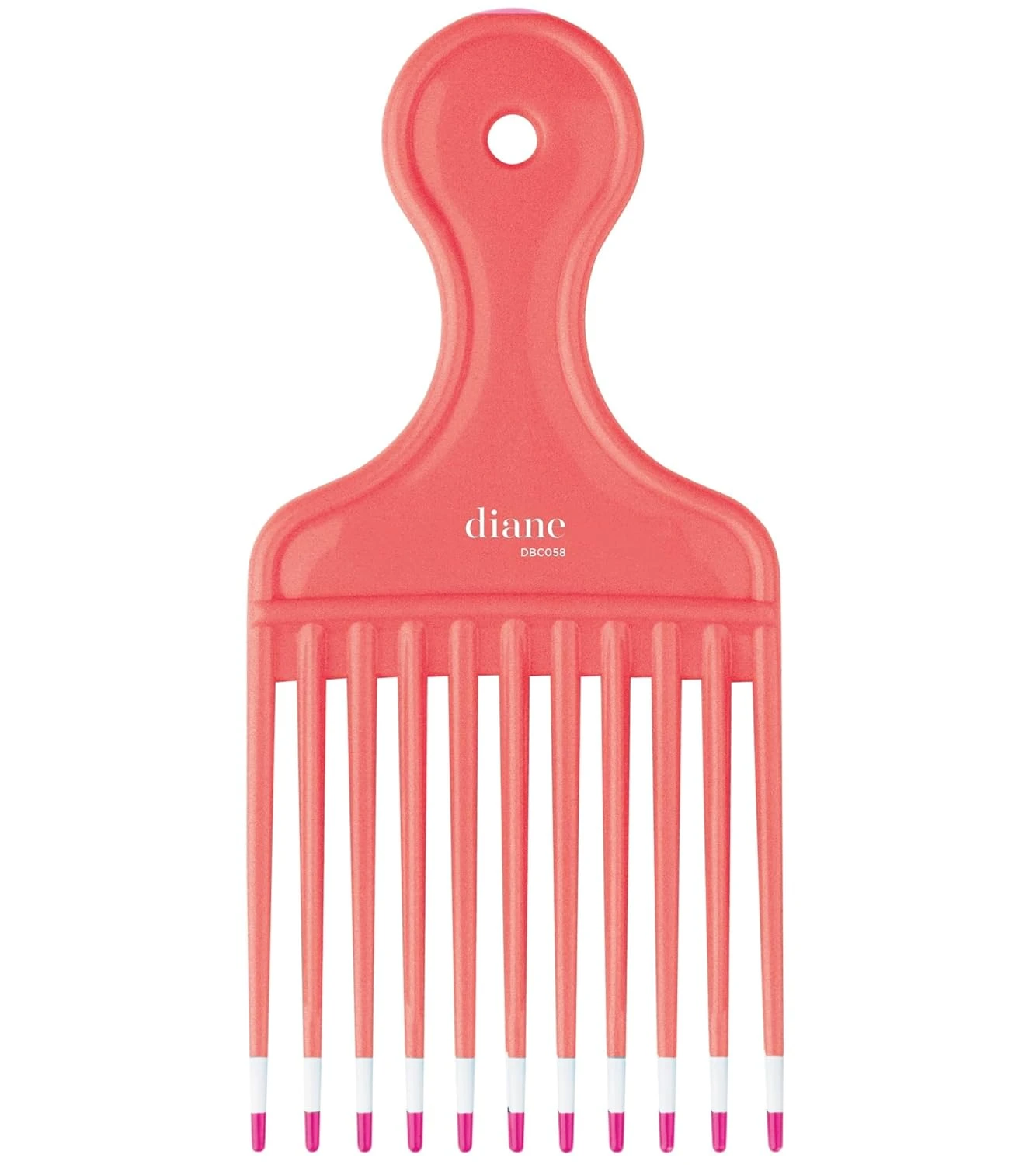
Wide Tooth Pick Comb Curls
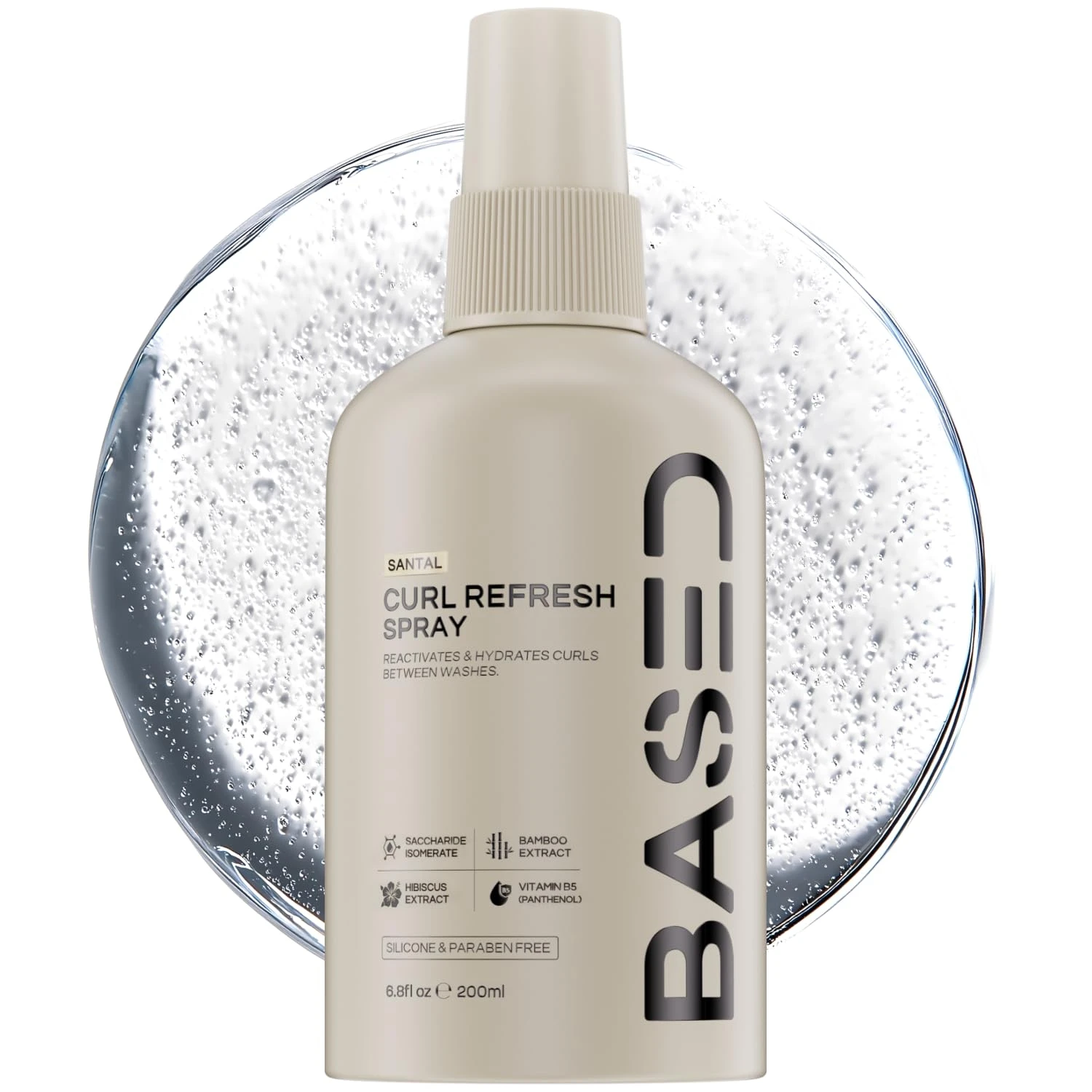
Curl Refresh Spray Light
- Hair type: 2c through 4a natural curl patterns
- Styling time: six minutes
- Occasion: everyday through events
15. Messy Bun with Deep Conditioned Ends
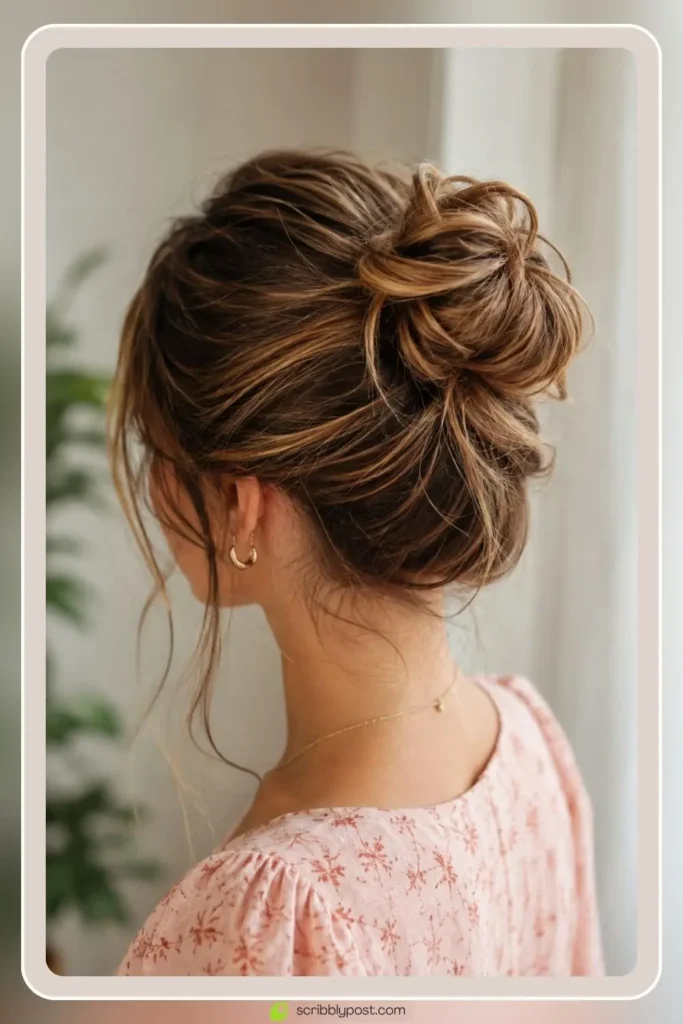
The most overlooked variable in a great messy bun is not technique at all, it is hair condition. A deep conditioning treatment, especially important for color-treated hair as covered in hair tint colors, ensures the hair looks lustrous and healthy rather than simply frizzy or damaged, since this particular look depends on hair being in good enough condition to carry an intentionally imperfect style.
Why it works: undone styling reads as a choice only when the hair underneath is healthy, damaged hair reads as messy in the wrong way regardless of technique.
Create the Look
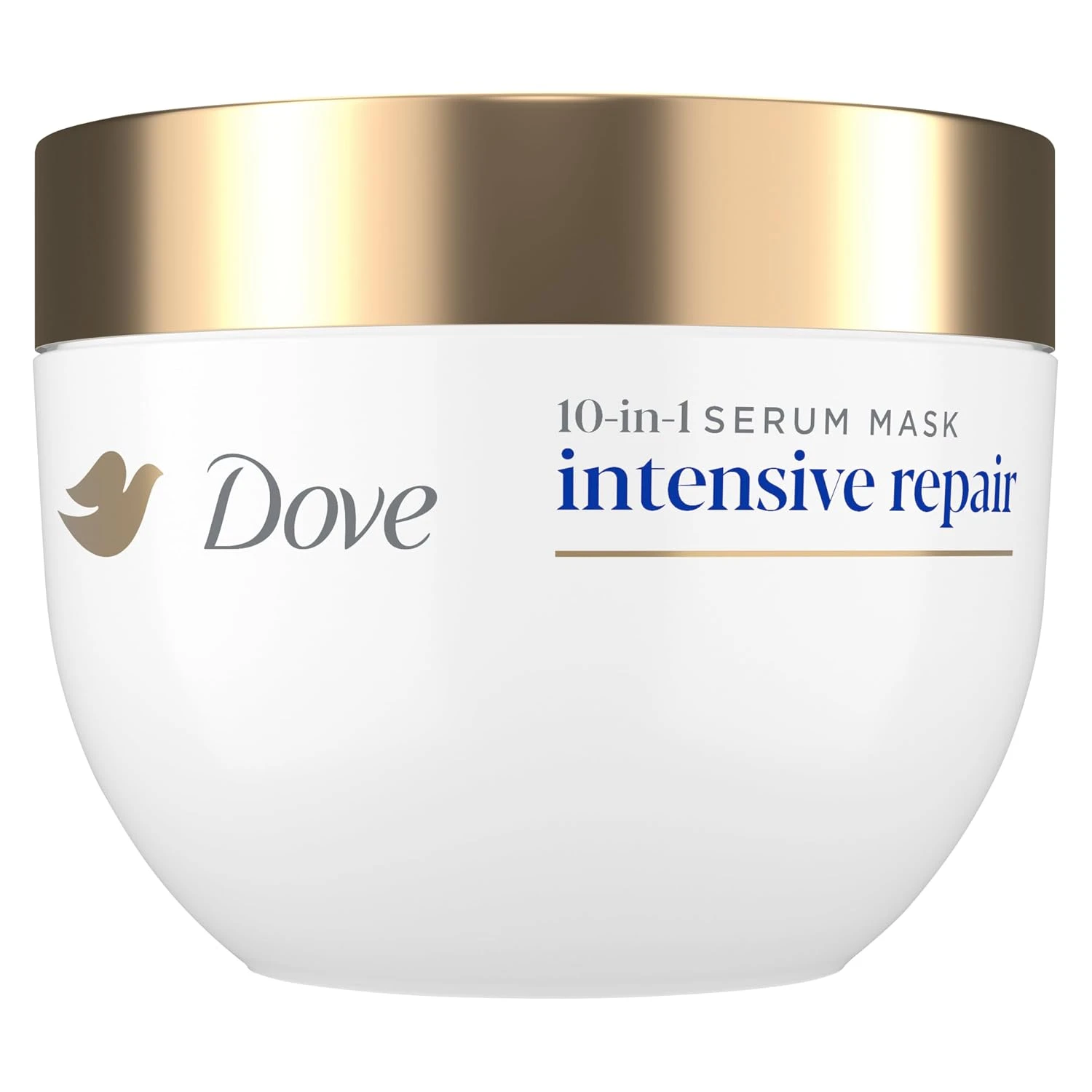
Intensive Repair Hair Mask
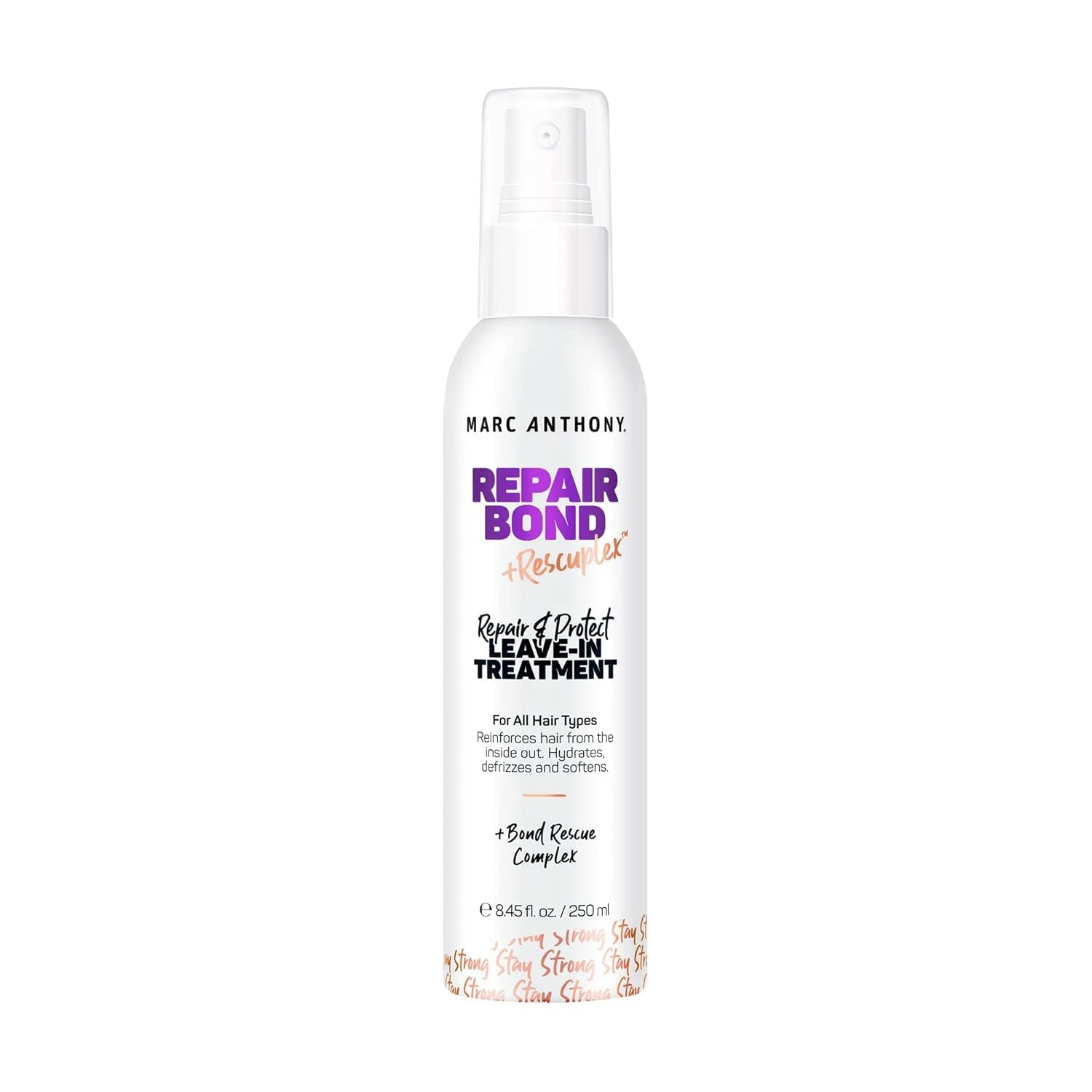
Leave In Repair Treatment
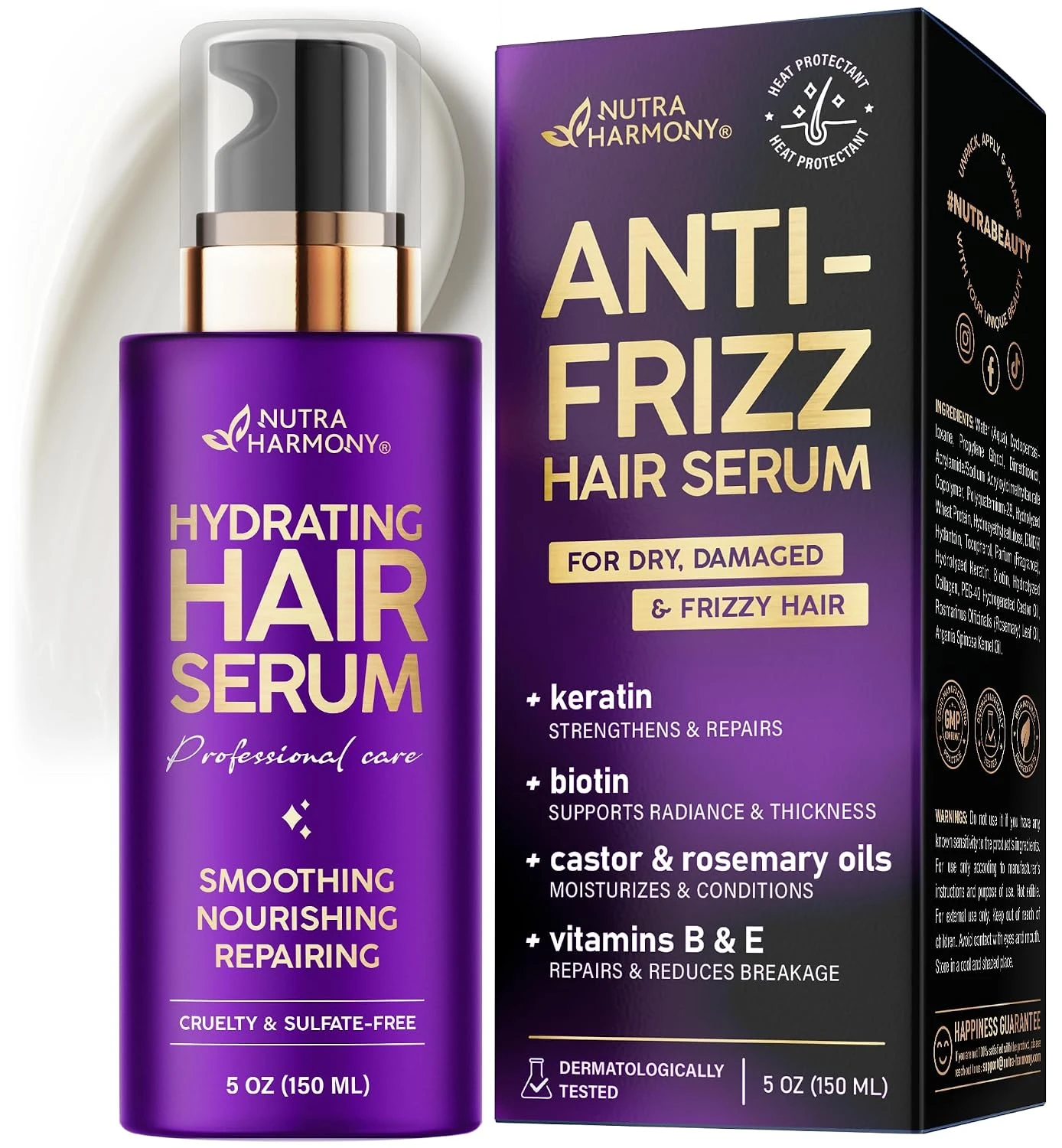
Hair Oil Shine Serum Ends
- Hair type: any, especially color-treated or heat-styled hair
- Styling time: adds a pre-styling conditioning step
- Occasion: any, this is prep rather than a distinct look
The Messy Buns I Would Wear on Repeat
Fifteen techniques, three that earn daily rotation.
Classic Messy Bun. The loop technique at its purest. Learn this one version well and every other style on this list becomes a small adjustment rather than a new skill. Effort: 2/5. The foundation worth actually practicing.
Messy Bun with Claw Clip. The realistic daily default. Under a minute, no pins, and it still reads as a deliberate style rather than hair shoved out of the way. Effort: 1/5. Speed without sacrificing polish.
Low Messy Bun Elegant. The occasion answer. The same core technique, dialed down, works beautifully for anything from the office to an evening event. Effort: 2/5. Refinement through restraint, not a different skill.
Messy Buns by Hair Type
The loop technique holds, but the adjustment changes by hair type. The honest breakdown.
| Hair type | The key adjustment | Start with |
|---|---|---|
| Thick or dense | Leave extra length out of the initial wrap | Messy Bun for Thick Hair |
| Thin or fine | Tease the crown before looping | Messy Bun for Thin Hair |
| Short or shoulder-length | Pre-secure escape-prone pieces at the nape | Messy Bun for Short Hair |
| Curly or textured | Style slightly damp to control frizz | Messy Bun for Curly Hair |
Conclusion
The messy bun’s whole reputation rests on a contradiction, effortless-looking and genuinely technique-dependent at the same time, and the loop instead of a full pull-through is the detail that resolves it. Learn that one adjustment, adapt it to your specific hair type, and every variation from a two-second claw clip version to a fully braided formal updo becomes an extension of the same skill. For the wider world of buns beyond the deliberately undone category, sleek, braided, bridal, and more, the full range lives in bun hairstyles.
Also Read
Best Bun Hairstyles
Best Waterfall Braid Hairstyles
Best Long Hair Color Ideas
Best Mermaid Braids
FAQs
What is the trick to a good messy bun?
The specific technique most tutorials skip past is the loop, on the final wrap around the elastic, do not pull the hair all the way through, leave a loop instead, since that unpulled section is what creates the bun’s actual volume and rounded shape. Everything after that, tugging sections loose and pulling face-framing pieces free, is intentional texture added on top of that foundation. Practicing this one detail improves results more than any other single adjustment.
How do I make a messy bun with thin hair look full?
Teasing the crown section before starting the loop technique creates a fuller base for the bun to sit on, since thin hair alone often cannot generate enough natural volume. A texturizing spray applied before teasing gives the comb more to grip. Skipping this step is the most common reason a messy bun on fine hair reads flat rather than full.
Can you do a messy bun with short hair?
Yes, with one specific adjustment, securing the shortest, most escape-prone pieces near the neck before building the main bun, since these are the sections most likely to slip out of a standard ponytail holder on shorter lengths. Working with the reduced length available rather than fighting it produces a fuller, more secure result. Shoulder-length hair can support a genuinely full bun with this technique.
How is a messy bun different from a regular bun?
The technique itself, the loop instead of a full pull-through, plus deliberate texturizing afterward, tugging sections loose and releasing face-framing pieces, is what separates a messy bun from a sleek, tightly wrapped bun. Both use the same basic gather-twist-wrap sequence, the messy version simply adds intentional looseness on top. The full range of tighter, more polished bun styles lives in the broader bun hairstyles guide.
What products help a messy bun last all day?
A texturizing or dry shampoo spray before starting gives hair enough grip to hold the loose, twisted shape, while a flexible-hold hairspray at the end locks everything in place without turning stiff. Day-two hair generally holds a messy bun’s texture better than freshly washed hair. For thin hair specifically, a volumizing product applied at the root before teasing extends how long the fullness lasts.

